

SPC flooring has become the go-to choice for homeowners who want a hardwood look that stands up to moisture, scratches, and the demands of aging-in-place. If you’re evaluating options for a safer, more durable, and maintenance-friendly home—this guide walks you through everything you need to know about SPC, from real-world costs to pitfalls and simple ways to choose the best product for your needs.
Key Takeaways
- SPC flooring is fully waterproof, extremely durable, and a practical option for homeowners prioritizing longevity, low upkeep, and safety.
- It resists scratches, stains, and dents better than most LVP or laminate, but feels firmer underfoot—subfloor prep and smart underlayment choices matter.
- Ask about warranties, VOC certifications, wear layers, and installation specifics before you commit—get at least 2–3 quotes for best value.
- Why waterproof, low-maintenance flooring matters for aging-in-place homes
- Quick primer — What is SPC (stone plastic composite) flooring?
- SPC vs LVP vs tile — practical comparison for homeowners
- Cost overview — what homeowners actually pay (materials + installation)
- Common homeowner & contractor complaints (installation, comfort, durability)
- Technical specs that matter — wear layer, waterproofing, scratch resistance
- Warranties, long-term durability, and documented evidence
- Environmental & indoor air quality considerations
- Buyer’s checklist & questions to ask before purchase/installation
- When to choose SPC vs when to choose LVP or tile — decision flow
- Local market context & next steps (how to get quotes and validate claims)
- FAQ
Why waterproof, low-maintenance flooring matters for aging-in-place homes
Finding a floor that’s easy to clean, waterproof, and slip-safe is more than a convenience—it’s a major factor in long-term livability, especially as we get older or plan to remain in our homes. Traditional wood or tile can mean leaks, warping, or tough upkeep for empty-nesters or busy families. With 93% of adults 55+ viewing aging-in-place as crucial and 88% of those aged 50-80 wanting to stay at home long-term, waterproof, low-maintenance flooring options like SPC flooring can dramatically reduce cleaning burdens and lower fall risk—especially since only 10% of homes are “aging ready.”
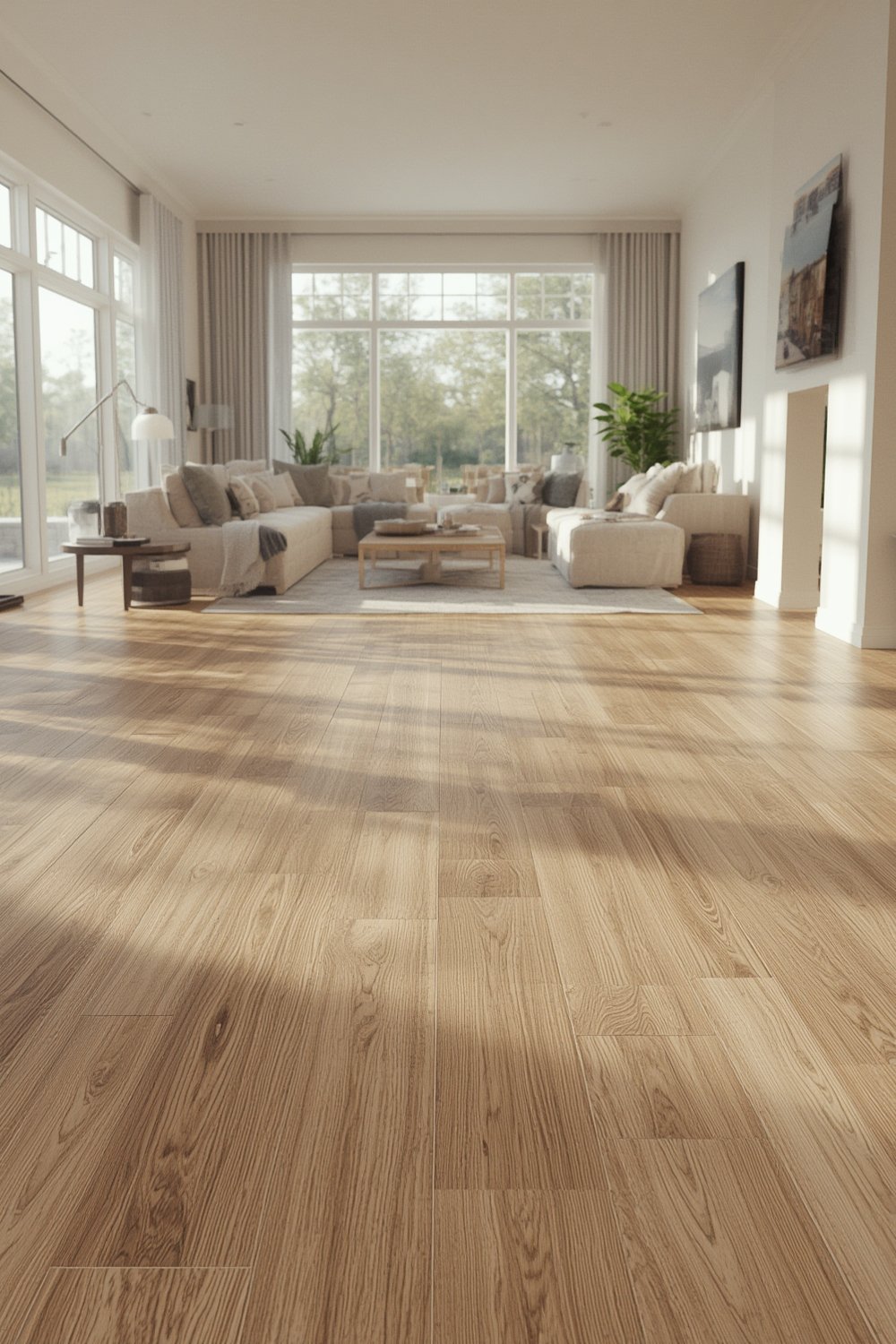
Fewer seams and zero grout mean less opportunity for spills or moisture to seep in. And, since SPC vinyl doesn’t swell, buckle, or stain like wood, you eliminate many of the top flooring worries for aging households. This pragmatic advantage also helps busy or multi-generational families who don’t want to spend weekends on routine floor care.
Quick primer — What is SPC (stone plastic composite) flooring?
SPC, or stone plastic composite flooring, is a modern evolution of rigid core vinyl. Its unique structure includes:
- Wear Layer: Transparent, scratch-resistant surface that protects against scuffs and spills.
- Printed Design Layer: Realistic wood or stone visuals (often mistaken for genuine hardwood).
- SPC Core: A dense, waterproof layer made of limestone powder, polyvinyl chloride, and stabilizers, making the floor more rigid than flexible vinyl plank.
- Backing Layer: Cushions and adds underfoot support, sometimes with attached sound-muffling pads.
Often called rigid core vinyl flooring or engineered vinyl plank, SPC is built for maximum durability. You’ll find it especially useful in moisture-prone rooms (kitchens, baths, mudrooms, basements) or where you want confidence against everyday spills and impacts. Compared to standard LVP (luxury vinyl plank), SPC holds shape better over time, is less likely to telegraph subfloor imperfections, and won’t warp like laminate if water sneaks under planks.
Planning a bigger aging-ready remodel? Check our full guide to aging in place modifications.
SPC vs LVP vs tile — practical comparison for homeowners
Choosing between SPC, standard LVP, and tile can be overwhelming—especially if you want a waterproof flooring option that’s safe, good-looking, and fits your lifestyle. Here’s a quick breakdown:
| Flooring Type | Waterproof? | Scratch & Dent Resistance | Underfoot Comfort | Ease of Maintenance | Repairability | Style Options |
|---|---|---|---|---|---|---|
| SPC Flooring | Yes (100%) | Excellent | Firm (add underlayment for comfort) | Simple—no grout, no waxing | Individual planks replaceable | Wide range — realistic wood & stone look |
| LVP (Traditional) | Water-resistant (not fully waterproof) Edges may swell with standing water |
Good to very good | Softer, more flexible | Simple, but may stain/gap | Planks replaceable; less rigid edge lock | Many patterns, some less authentic |
| Tile | Yes (w/ proper install) | Exceptional (very hard) | Very hard, cold underfoot | Needs grout cleaning, possible cracks | Individual tiles can be replaced, more laborious | Classic & trendy, but grout lines |
The upshot? SPC outperforms LVP if risk of water, leaks, or heavy use is high. It’s less slippery than most tiles (especially with textured wear layers), making it a strong contender for homes focused on safety, accessibility, and aging-in-place. Tile still wins where radiant floor heating or a totally seamless look is required, but can be cold and more brittle. Weigh your must-haves in each zone—a hybrid approach sometimes makes sense!
Cost overview — what homeowners actually pay (materials + installation)
SPC flooring typically costs more up front than standard LVP, but pays off in long-term durability:
- Materials: $2-$6 per square foot for decent-quality SPC; premium brands run $7-$10/sq. ft.
- Installation: $2-$4 per square foot typical for floating installs; glue-down and stair work may run higher.
- Trim & Underlayment: Don’t forget Transitions and Trim to other rooms, vapor barriers, and quiet-walk pads—budget an extra $0.50-$1.50/sq. ft.
- Regional differences: Urban areas often trend higher; get local bids for accuracy.
Costs vary based on pattern, wear layer thickness, attached backing, and subfloor prep needs. Always request at least 2–3 itemized quotes from experienced installers—ask for manufacturer documentation on recommended adhesives and underlayments. For a better understanding of related renovation costs, see our aging in place upgrades guide.
Common homeowner & contractor complaints (installation, comfort, durability)
SPC is tough and impressively robust, but it’s not perfect. Here’s what can go wrong—and how to minimize hassle:
- Firm Underfoot: SPC is stiffer than LVP or laminate. Some users notice “hardness” fatigue in kitchens where they stand a lot. Quality anti-fatigue mats help.
- Subfloor Sensitivity: Because SPC is rigid, any dips or bumps in the underlying surface can “telegraph” through as visible seams or bumps. Skilled installers will inspect and, if needed, skimcoat or sand the subfloor prep before install.
- Edge Tolerance & Expansion: Improper spacing against walls or transitions may cause squeaks or buckling. Make sure your installer follows manufacturer gap specs.
- Transitions and Trim: Matching finishes to existing wood or tile can be tricky—order all transitions and trims in advance to ensure uniform look and avoid stockouts mid-project.
- Noise: Cheaper SPC can create hollow or “clicky” footfall sounds. Upgrading to thicker planks or acoustic underlayment pads can help.
- Plank Quality and Defects: Budget options may have poor locking mechanisms or uneven color batch—always inspect boxes before installation begins.
To avoid these pitfalls, request references and real-life photos from your installer. Ask about their experience with scratch-resistant flooring and SPC in occupied aging-in-place homes.
Technical specs that matter — wear layer, waterproofing, scratch resistance
Don’t just buy the “prettiest” plank—focus on these technical specs:
- Wear Layer Thickness: More is better. 12–20 mil is a baseline for homes with pets or high traffic; go thicker for commercial or multi-generational use.
- Waterproof Core: Look for a stone plastic composite core, not just “vinyl blend.” This ensures zero swelling even if planks are flooded.
- Scratch/Abrasion Ratings: Some brands offer AC (abrasion class) ratings—higher numbers mean better scratch resistance. Ask for data or independent test certifications when available.
- Backing/Pad: Some SPC has attached pads for sound insulation—can improve comfort, but check if separate underlayment is allowed or required for warranties.
When in doubt, request recent manufacturer datasheets—specs change yearly. Want a safer, more accessible bathroom? Our walk-in shower conversion guide covers up-to-date installation tips.
Warranties, long-term durability, and documented evidence
Manufacturers often tout “lifetime” or “30-year” residential warranties on SPC flooring. Always check the fine print—most warranties cover wear-through and water damage, but may exclude:
- Improper subfloor prep or installation
- Damage from chair casters, sharp pet claws, or heavy furniture
- Indoor-only installations (some exclude sunrooms or covered patios)
- Surface stains or fading from spills left overnight
Commercial warranties (often 10–15 years) are stricter. Independent, long-term durability data is limited—request install references or check reviews on local contractor performance and wear after 1–5 years. For stone plastic composite flooring, make sure your installer is willing to provide warranty info and have manufacturer contacts for claims, if needed.
Environmental & indoor air quality considerations
Many SPC products are FloorScore or CARB-certified for low volatile organic compound (VOC) emissions, but not all are created equal. When researching rigid core vinyl flooring, look for:
- CERTIFICATIONS: FloorScore, GREENGUARD Gold, or CARB2 compliance labels.
- VOC Transparency: Ask for third-party test results—not just a brochure promise.
- Recycling/End-of-Life: Most SPC flooring isn’t easily recyclable, but some brands offer take-back programs for offcuts/trimmings—ask before you buy.
- Comparison: Compared to laminate (which may use urea-formaldehyde) or lower quality LVP (which may off-gas longer), SPC is generally a safer bet for indoor air quality-conscious homeowners.
For tips on biophilic design and bringing healthier materials into your home, see our post on biophilic design for aging in place.
Buyer’s checklist & questions to ask before purchase/installation
Choosing the right SPC flooring can be overwhelming—use this list to cover your bases before signing any contract:
- What is the wear layer thickness (mil)? Does the warranty differ for various specs?
- Is it certified for low VOCs? Can you see the testing certificate (FloorScore, CARB2, etc.)?
- What warranty coverage is provided in writing—residential vs commercial?
- Is underlayment required or optional? Any preferred brands for best performance and warranty validity?
- Are there acclimation requirements before install? (Leaving planks unopened in the home for 48+ hours)
- What subfloor prep is included? Will they patch, skim, or sand uneven spots?
- Are transition pieces (to carpet, tile, stairs) and stair nosing available that match?
- Is the installer manufacturer-certified or factory-trained?
- Can the contractor provide multiple references for similar SPC projects?
Want a print-ready summary? Download our one-page SPC Flooring Buyer’s Checklist—just ask your contractor or showroom to fill out each field before you commit.
When to choose SPC vs when to choose LVP or tile — decision flow
Still not sure if SPC is your best fit? Use this flow:
- Water exposure a risk (kitchen, bath, basement)? → Yes: SPC or tile.
→ Tile if you want in-floor heat, SPC if you want warmth underfoot and easier cleaning. - Budget tight—but want look of wood? → Mid-range LVP is serviceable, but won’t last as long as SPC in high-traffic zones.
- Comfort and warmth a top priority? → SPC plus premium underlayment or area rugs; for even softer/oilier feel, consider cork-backed rigid vinyl or engineered hardwood in non-wet zones.
- Accessible transitions or slip resistance needed? → SPC wins over tile for safer, easier movement with walkers or mobility aids.
- Resale value critical? → Tile is still king in upscale resale but SPC is closing the gap, especially with reputable manufacturer brands and realistic visuals.
For a full accessibility upgrade, combine waterproof flooring options with a walk-in shower conversion or ADA-compliant entryways.
Local market context & next steps (how to get quotes and validate claims)
The need for safe, low-maintenance homes is only growing: the U.S. population 65+ will jump from 56.1 million in 2020 to 82.1 million by 2050—and 4.1 million Americans turned 65 in 2024. Demand for easy-to-clean, long-lasting flooring is at record highs.
Here’s how to make sure you get full value and performance from your SPC flooring project:
- Get multiple local quotes (at least three) from installers with direct experience in aging-in-place or waterproof flooring options.
- Review manufacturer warranty specifics and VOC emission documentation—don’t accept vague promises, request labelled samples or certificates.
- Ask for photo examples or references of real installations in homes like yours—ideally after a year or more of use.
- If combining with other modifications (grab bars, curbless shower), coordinate schedules—see our aging-ready home upgrades.
Take control with objective data. When possible, supplement contractor info with up-to-date manufacturer datasheets, product guides, and independent reviews. If you want a home that’s future-proofed and hassle-free, SPC flooring is a practical cornerstone of the plan.
FAQ
Is SPC flooring really waterproof?
Yes—SPC (stone plastic composite) flooring is fully waterproof. The rigid limestone core prevents swelling, warping, and water penetration, making it ideal for kitchens, bathrooms, laundry rooms, and basements.
How does SPC compare to LVP in busy homes with pets?
SPC is firmer and more dent-resistant than flexible LVP. It’s less likely to develop scratches or damage from pet claws and heavy furniture, and holds its shape better over time—perfect for high-traffic families.
Are there health or air quality concerns with SPC flooring?
Look for brands with FloorScore, CARB2, or GREENGUARD Gold certifications. These indicate low VOC emissions. Always request documentation—SPC is generally safer for indoor air quality than laminate or budget LVP, but quality can vary by manufacturer.
What kind of subfloor works best for SPC installation?
Flat, smooth subfloors deliver the best results—this can be plywood, concrete, or existing tile (if solid). Avoid installing over soft, damaged, or uneven surfaces unless they’re repaired or professionally leveled first.
Will installing SPC flooring increase my home value?
SPC’s appeal is growing, especially among buyers seeking aging-in-place upgrades. It isn’t quite as “premium” as hardwood or luxury tile, but adds value versus older carpet or basic vinyl, and helps resale by reducing future maintenance needs.
Conclusion
For homeowners who want accessibility, hassle-free maintenance, and peace of mind, SPC flooring stands out as a pragmatic, future-ready option. Its blend of waterproof durability, scratch resistance, and low VOC potential make it well worth the initial investment—especially when installed right and backed by reliable documentation. Ready to take the next step? Get 2–3 local quotes, request written warranties, and download our one-page checklist before buying. You’ll enjoy the confidence and lasting comfort that only a carefully chosen floor can provide.