

Multi-functional home spaces are shaping how modern homeowners balance the demands of working remotely, hosting guests, and preparing for aging-in-place—all while keeping their homes stylish and accessible.
Key Takeaways
- Future-proof, accessible multi-functional home spaces boost comfort, support remote work, and ease the path to aging in place.
- Only 10% of American homes are considered “aging ready,” so homeowners must think ahead—especially when remodeling spare rooms or combining home offices and guest suites.
- Smart layouts, convertible furniture, and step-by-step planning ensure value, usability, and style—without sacrificing privacy or long-term quality.
- Why multi-functional home spaces matter right now
- Who’s prioritizing flexible rooms—the 2024–25 trend snapshot
- Common frustrations when combining a home office with a guest room
- Murphy beds, convertible furniture, and office nooks—costs, timelines, and realities
- Three critical topics competitors often miss (and how to cover them thoroughly)
- Technical and spatial considerations before you install convertible furniture or build an office nook
- Impact on resale value and buyer interest in 2025—what the data shows (and what’s missing)
- Best-reviewed layout and storage solutions for a home office guest room combo (with example scenarios)
- Quick, actionable checklist and decision guide for homeowners
- FAQ
Why multi-functional home spaces matter right now
Remote work is here to stay, multi-generational living is rising, and the desire to age-in-place—without repeated expensive remodels—drives demand for flexible home environments. Spare rooms with a traditional single function are falling behind the needs of today’s homeowners. Converting a guest room into a multi-functional space (such as an office guest room combo) ensures that you’re maximizing usability, comfort, and future accessibility with every square foot.
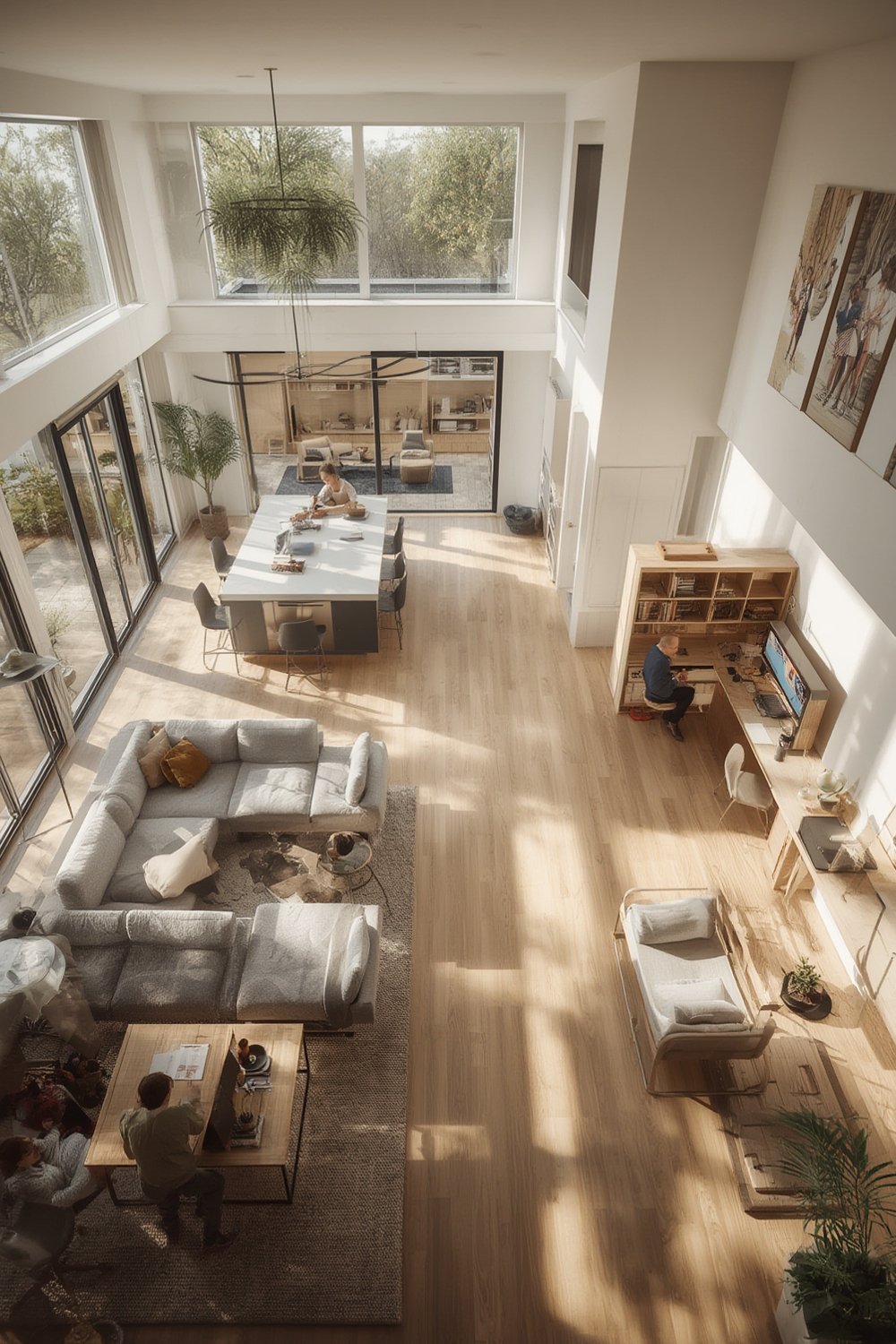
If you want your home to welcome overnight guests, support remote work, and adapt smoothly should you or a relative need accessible features later, multipurpose layouts are essential. According to a 2024 AARP survey, 75% of adults 50+ want to stay in their home for as long as possible. Yet only 10% of homes are considered “aging ready” [source]. This gap means your next remodel or room conversion is your best chance to get ahead.
Who’s prioritizing flexible rooms—the 2024–25 trend snapshot
Which segments care most about multi-functional home spaces and modern flex room design? Homeowners in the 35–65 age range working remotely, hosting family occasionally, or supporting older relatives are driving this trend. Interest increased dramatically since the pandemic, with aging-in-place top-of-mind. In fact, 88% of adults aged 50–80 view aging in place as important—but only 34% say their home definitely has the needed features [source]. If you’re not planning for accessibility now, you could face disruptive and costly updates later.
Data on flex room design is still emerging, and regional preferences and permitting vary, so always compare local market trends. If you’re a realtor or remodeler, collecting up-to-date studies or buyer feedback in your area can add credibility and help guide conversations with clients.
Common frustrations when combining a home office with a guest room
The home office guest room combo is popular, but it isn’t without pitfalls. Homeowners most often struggle with:
- Privacy: Working from home while hosting guests can disrupt routines for both parties.
- Noise: Thin walls or doors, plus foot traffic, can compromise calls or sleep quality.
- Storage: Limited closets, bulky office tech, or nowhere to stash bedding creates clutter fast.
- Mattress comfort: Fold-out or low-cost guest beds often disappoint. An uncomfortable mattress ruins hospitality.
- Murphy bed installation or convertible furniture: Installing these systems can require wall reinforcement, new outlets, and careful planning. Cheap hardware often fails quickly.
- Lighting: Task lighting for work may not suit sleeping or relaxing guests—and vice versa.
- Remodeling burden: Major construction can feel overwhelming. According to 2024 research, home upkeep (16%) and repairs (8%) are top difficulties for older adults, with only 3% citing indoor remodeling as manageable [source]. That’s why simple, minimal-effort solutions are highly valued.
Design choices and product quality matter. Durable, easy-to-operate, and multi-use furniture helps. Dividing space with curtains, pocket doors, or acoustic panels can also solve privacy and noise pain points.
Murphy beds, convertible furniture, and office nooks—costs, timelines, and realities
Murphy bed installation or adding convertible furniture is one of the fastest ways to make a flex room do double duty. Here’s what to expect:
- Costs: Prices vary. As of June 2024, a basic twin-size murphy bed (DIY kit) with hardware starts at $1,200–$1,700 in smaller metros like Omaha. Professionally installed, with custom cabinetry and a quality mattress, costs may be $3,500–$7,000 in mid-size markets such as Austin. In high-cost metros (San Francisco, New York) expect $5,500–$12,000 and up, especially for automated or king-size units. Ask local installers for up-to-date quotes since 2024 averages fluctuate.
- Convertible furniture (sofas, desks, wall systems): Range from $700 for multipurpose IKEA solutions and ulf-sourced Amazon brands, to $7,500+ for modular high-end brands with warranties. Always compare warranties, especially if aging in place.
- Timelines: Many ready-made murphy beds or convertible furniture units deliver in 2–4 weeks. Custom work, or projects involving built-in electrical/finishing, can add 4–8 weeks. Always check supply chain lead times locally.
- Installation steps:
- Site prep: Clear floor space, locate studs, check for outlets.
- Structural: Wall bed mounting requires solid wood studs or added blocking. Floor and load considerations apply for heavier systems.
- Electrical: May need to add outlets or move switches for convenience and accessibility.
- Finishing: Wall touch-ups, painting, baseboards, and trim may be needed around new installs.
Note: No comprehensive 2024 cost or install time data is published for all US metros. Always confirm current local prices using installer quotes and product manufacturer specs.
Three critical topics competitors often miss (and how to cover them thoroughly)
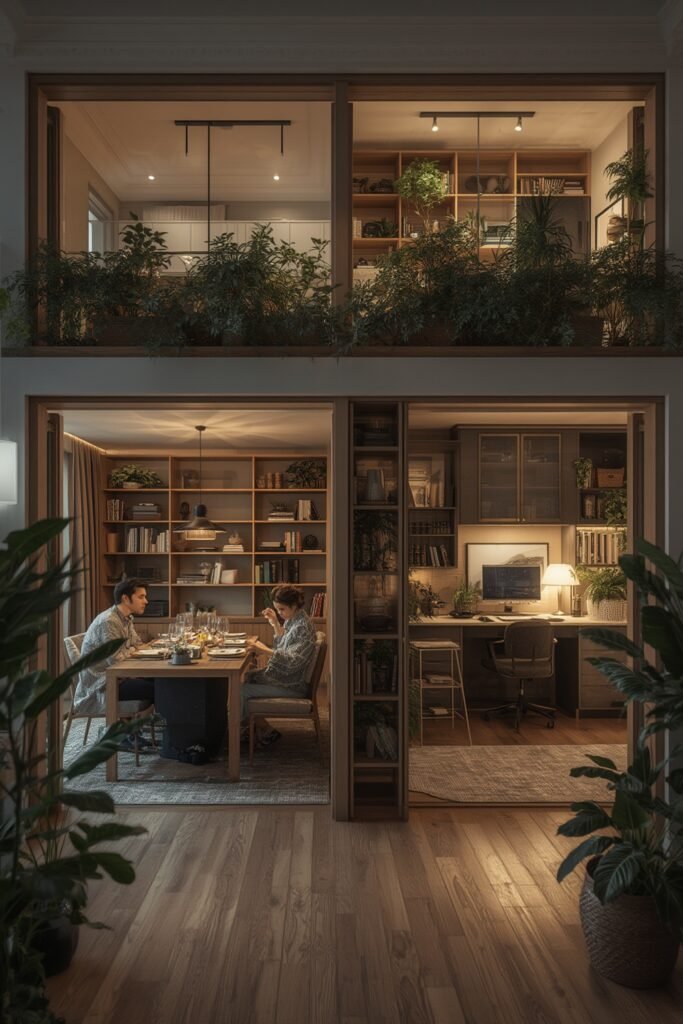
Most articles on home office guest room combos gloss over major issues. To future-proof your flex space, cover these topics:
-
Aging-in-place integration:
- Ensure bed heights reach 18–21 inches for safer transfers.
- Keep minimum 36-inch wide clearances near beds and work areas for mobility.
- Pre-plan for grab bars or bracing in walls, especially in adjacent bathrooms. For best ROI, consider a walk-in shower conversion nearby.
-
Durability & warranty for convertible furniture:
- Look for systems with a minimum five-year warranty and confirmed weight ratings. Cheap hardware has high failure rates and may not stand up to heavy or older users.
- Opt for rigid core multiflooring options like SPC flooring for waterproof, scratch-resistant durability.
-
Performance: acoustics & privacy solutions
- Use solid-core doors, frame acoustic wall panels, or even modular room divider shelves to boost privacy and reduce noise transfer between work and sleep zones. Consider door sweeps and weatherstripping for better sound sealing.
Checklist for each area:
Aging in place: Plan for zero-step thresholds, wall reinforcement, and reachable switches/outlets.
Convertible furniture: Read all hardware specs, test operation before installing, check for anti-tip and safety stops.
Acoustics: Install rugs, soft window coverings, and bookshelves to further dampen noise. If privacy is a concern, use sliding barn doors or curtain dividers instead of permanent walls.
Technical and spatial considerations before you install convertible furniture or build an office nook
Good planning is your best insurance. Before starting any project, assess:
- Minimum clearance for wall beds: Most queen murphy beds require at least 85–90 inches of vertical clearance and 65–85 inches of projection when open. Always measure with the mattress and bedding included. For aging in place, add enough space for mobility aids (walkers, wheelchairs).
- Wall and floor structure: Only mount heavy systems to solid framing. If you’re unsure, call a local installer or structural specialist.
- Electrical/lighting: Place outlets for laptops, task lights, and medical devices where they’re accessible from both bed and desk. Temporary cord routing is possible, but built-in outlets are safest and cleanest.
- Ventilation: Avoid blocking HVAC vents or windows with furniture. Consider air quality—especially in enclosed combo rooms.
- Mattress thickness, storage access: Check your furniture design for maximum mattress height so you don’t end up with thin, uncomfortable beds. Leave unobstructed paths for under-bed drawers or storage nooks.
- ADA-friendly features: Try to maintain thresholds under ½ inch, lever-style handles, rocker light switches, and easy-to-reach storage. Only 10% of homes are “aging ready,” and just 34% of adults 50–80 report having all needed features. Start now to close that readiness gap.
Impact on resale value and buyer interest in 2025—what the data shows (and what’s missing)
Will investing in multi-functional home spaces add resale value? While direct ROI data for these specific projects is missing for 2024, strong buyer demand signals value.
- 75% of adults 50+ want to stay in their homes; buyers increasingly seek turn-key aging-ready solutions [AARP].
- Flex room design—especially with murphy beds or finished office nooks—photographs well in listings and draws both families and “aging-ready” buyers.
- Staging tips: Show each function staged (office, guest suite), highlight convertible furniture in motion, call out “future-proof planning” and “accessibility ready” features in listing copy.
- Track recent local sales with similar conversions, especially in areas with older populations or strong remote work numbers.
Transparent note: No direct 2024 ROI data on flex room or aging in place modifications was found; cite recent comps or installer case studies for your market.
Best-reviewed layout and storage solutions for a home office guest room combo (with example scenarios)
What does success look like? Use proven layouts and organize for both form and function. Here are the top patterns to consider—with sample diagram ideas for each:
- Wall-bed plus built-in storage: A queen murphy bed flanked with closet towers and overhead cabinets provides sleeping space without sacrificing critical storage. A floating desk folds down opposite the bed for daytime work.
- Fold-away desk plus daybed: For maximum daytime utility, use a convertible daybed along one wall, with a desk that folds against the wall or tucks into a closet. Shelving above doubles as display and organizer space.
- Partitioned alcove office with pull-out guest bed (ideal for aging-in-place): Install a half wall or sliding screen to divide a small office nook from the guest bed. Clear space between bed and door allows for easy mobility or wheelchairs.
Best storage hacks include vertical shelving, under-bed drawers, closet organizers, and integrated charging docks. Top-rated brands for 2024 include Resource Furniture, Expand Furniture, and IKEA’s PAX system (for DIYers). Custom options provide maximum flexibility if budget allows.
Scenario 1: Small Apartment (under 150 sq. ft.)
- Wall-bed (twin or full) folds up to reveal a wall-mounted drop desk
- Slim rolling file cabinets and vertical shelves
- Clearance: 36-inch walkway minimum in front of both bed and desk
Entry ───────┐   │
             │   ├── Wall-bed/Desk Combo
Closet       │   │
             └── Guest Chair/Table
Scenario 2: Mid-size House (12′ x 14′ room)
- Queen murphy bed with closet towers on both sides
- 72-inch wide floating desk across from bed, with hutch storage
- Under-bed storage drawers and sound-absorbing area rug
- Partition curtain divides work/sleep as needed
Door  Desk  Window
│      ┌───────┐
│      │       │
├───── Qt Murphy Bed ─────┤
│      │closets│
Scenario 3: In-law/Aging-in-place Conversion
- No-threshold murphy bed (18-inch high), 42-inch clearance path
- Built-in desk with lever handles, adjustable shelves at 32-inch height
- Side-swing doors, lever light switches, and low-pile flooring like LVP flooring
Door ──── Murphy Bed ─── Desk (lowered)
                 │
              Wide
           Clear Path
There are no published 2024 case studies or ROI data for these exact layouts, so always request real-life examples from installers or neighbors. For best results, ask for:
- Install date and duration
- Budget and product list
- Outcome—photos, before/after testimonials
Quick, actionable checklist and decision guide for homeowners
- Assess needs:
- How often do you work remotely (full time, hybrid, seldom)?
- How many overnight guests (per year)?
- Is this room likely to be used for aging-in-place (self or loved ones)?
- Do you need special features (grab bars, no-slip flooring, extra bright lighting)?
- Measure and map: Draw your room to scale. Mark windows, doors, outlets, radiators, and HVAC vents. Note every obstruction. Check minimum clearance for murphy bed installation and convertible furniture deployment.
- Pick your solution class:
- Murphy bed for permanent, high-use guest rooms
- Convertible sofa/desk systems for daytime-heavy office use
- Dedicated office nook with an emergency guest bed for rare overnight visitors
- Budgeting:
- Entry-level: DIY kit ($1,200), flat-pack convertible ($700)
- Midrange: Pro install, custom cabinetry ($3,500–$7,000)
- High-end/ADA suite: $9,000+ for integrated, aging-in-place ready flex spaces (confirm local costs)
- Hire or DIY: If wall/floor modifications or electrical work are needed, hire a pro for safety. Simple flat-pack and non-mounted systems can usually be DIYed if you’re handy.
- Pre-install safety/accessibility checklist:
- Test stability of every mounting surface for heavy units
- Confirm step-free thresholds and 36-inch wide paths
- Choose levers and large pulls instead of small knobs
- Verify bright, no-glare lighting options—especially if converted for aging-in-place
Remember: Only 10% of US homes are aging ready, and one-third of adults 45+ tie loneliness to isolation in inaccessible homes. Smart multi-functional home spaces boost both function and well-being. Learn more about essential aging in place modifications for the full home.
Download your printable checklist and request fast local quotes today.
FAQ
What are multi-functional home spaces and why do they matter?
They are rooms designed for more than one need—like an office guest room combo, which serves both as a workspace and guest suite. They matter because they help homeowners adapt to changing needs, support remote work, and enable safe aging-in-place without costly, repeated remodels.
How much does a typical murphy bed installation cost in 2024?
Basic DIY murphy bed kits cost $1,200–$1,700 in smaller cities. Professionally installed with custom cabinets and premium mattresses, expect $3,500–$7,000 in mid-sized metros and $5,500–$12,000+ in large cities. Always get local quotes for latest figures.
What technical factors should I check before installing convertible furniture?
Measure ceiling height, mounting wall thickness, and door swings. Ensure clear space for the bed or desk to deploy. Check if outlets and lighting are in the correct spots, and plan for accessibility features if age-in-place is a goal.
Will converting a room hurt my home’s resale value?
When done with quality products and versatile design, a flexible room tends to attract more buyers, especially in markets with older or remote-working populations. No direct ROI data exists, but flexibility and accessibility are strong selling points for 2025 and beyond.
What’s the best way to maximize storage in a double-duty room?
Use vertical shelving, under-bed drawers, closet organizers, and multi-use furniture (like ottomans or benches with hidden storage). Built-ins cost more up front but create a streamlined, clutter-free space for both work and guests.
—