

### Blog Post:
Outdoor living space upgrades are the smartest way for suburban homeowners to create more usable square footage, boost property value, and prepare for safe, comfortable aging in place. If you’re planning a backyard renovation, you already know the stakes: your decisions now determine not just this summer’s comfort, but how long you or your loved ones can enjoy and thrive at home. Here’s how to upgrade wisely for better entertainment, long-term accessibility, and maximum return on investment.
Key Takeaways
- Prioritize outdoor living space upgrades that improve accessibility and everyday usability—these pay off both now and at resale.
- Material and design choices have direct impact on long-term maintenance, safety, and ROI; consult local data for regional best practices.
- Documented contracts, vetting professionals, and planning for aging in place modifications reduce project headaches and extend home value.
- Why upgrade your outdoor living space now?
- Aging-in-place backyard renovation ideas that boost usability and resale
- Average patio installation costs by material (2025) — breakdown and ROI implications
- Outdoor kitchen design trends (2025) that most directly influence buyer appeal
- Deck building and pergola installation — technical must-knows before you start
- Common homeowner frustrations and how to avoid them (timeline, budget, contractor reliability)
- Three underrepresented or overlooked backyard renovation ideas to include (unique angles)
- How outdoor upgrades affect resale value — regional considerations
- Top 3 mistakes homeowners make when selecting materials or professionals — and the fixes
- Practical one-page project checklist and budget template (next steps)
- Quick FAQ and resources (permits, where to get local cost estimates, hiring licensed pros)
Why upgrade your outdoor living space now?
Outdoor living space upgrades offer a rare blend of immediate lifestyle improvements and meaningful, long-term financial return. With 88% of U.S. adults ages 50-80 and 93% of adults 55+ reporting that aging in place is a top goal [source] [source], making your backyard accessible isn’t just a perk—it’s a strategic necessity for both current comfort and future resale. Thoughtful exterior renovations maximize your property’s entertaining potential, open up safe outdoor routines for every age, and make your home highly attractive to buyers planning for multi-generational living.
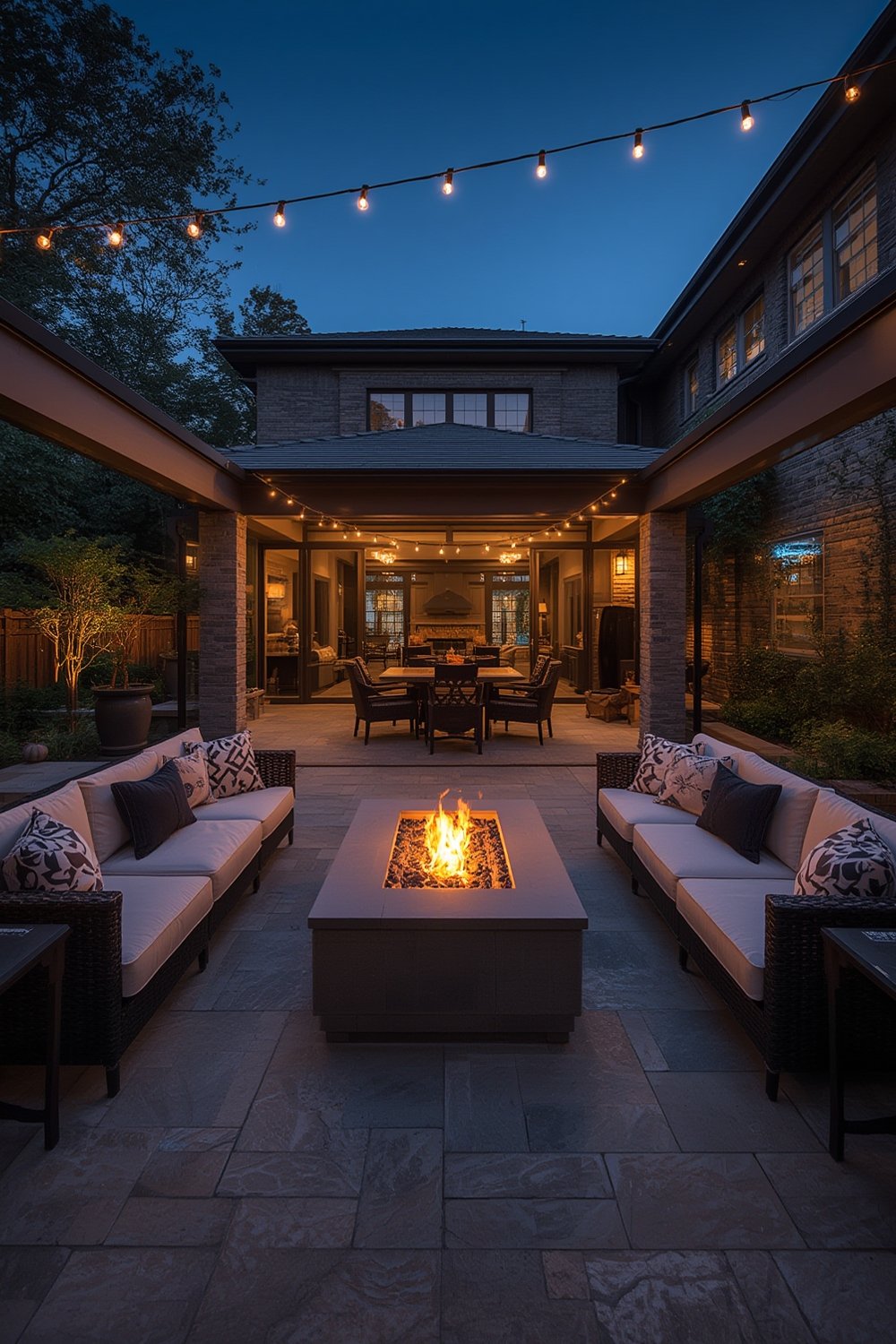
Aging-in-place backyard renovation ideas that boost usability and resale
Effective backyard renovation ideas go beyond style—they blend safety, accessibility, and high-traffic durability. Start with:
- Zero-step patio transitions: Eliminate dangerous thresholds and stairs. Install flush, level walkouts for easy movement with walkers or wheelchairs.
- Non-slip pavers or treated concrete: Choose textures that are slip-resistant when wet or icy—and simple to hose clean after gatherings.
- Wide, gently graded walkways: Design for at least 42 inches width with slopes under 1:12. These serve strollers and wheelchairs equally.
- Covered outdoor living spaces: Roofed patios, retractable awnings, or pergolas ensure shade and reduce hazards from weather changes.
- Smart lighting and continuous handrails: Illuminate steps, ramps, and all outdoor transitions for night-time safety.
Data/Stat: Only 34% of adults 50-80 report their home definitely has needed features for aging in place; only 10% of American homes are considered “aging ready” [source]. Simple accessible upgrades make your property stand out among listings and future-proofs your investment.
Average patio installation costs by material (2025) — breakdown and ROI implications
Cost discipline is vital. Here’s what you can expect for patio installation cost by material (all figures per sq ft, 2025 national averages):
| Material | Approx Cost / Sq Ft | Lifespan | Maintenance | Accessibility | ROI Potential |
|---|---|---|---|---|---|
| Standard Concrete | $7 – $15 | 25–40 years | Low | Easily textured, very accessible | High |
| Pavers (concrete/stone) | $14 – $32 | 20–40 years | Medium | Level if expertly installed | High |
| Natural Stone | $28 – $64 | 30–50 years | High (resealing, shifting) | Can be uneven | Medium |
| Stamped Concrete | $13 – $23 | 20–40 years | Medium | Can be made non-slip | High |
| Permeable Pavers | $16 – $35 | 20–25 years | Low | Level, best drainage | High, eco appeal |
Accessibility features like integrated ramps or step-free transitions typically add $800–$2,500, but sharply increase buyer pool and safety for aging residents. Data/Stat: Only 10% of homes are “aging ready,” highlighting upside for owners who invest in accessible, durable patios [source].
Outdoor kitchen design trends (2025) that most directly influence buyer appeal
The right outdoor kitchen design amps up backyard value. Focus your dollars on features with real daily utility and accessible placement—especially for aging in place. Trends that win buyers in 2025:
- Covered work zones for year-round usage
- Weatherproof appliances, built-in refrigeration, and sealed cabinetry
- Universal height counters (34-36 inches) for seated prep
- Pull-out faucet systems, easy-reach drawers, and lever handles
- Outdoor-grade induction cooktops (safer than open flame grills for all ages)
- Direct access to indoor kitchen (short walking distance, wide sliding doors)
- Integrated heating, lighting, and smart home controls [see example]
Demand context: 88–93% of older adults prioritize remaining at home [source]; future-minded kitchen upgrades serve long-term living and multi-generational buyers.
Deck building and pergola installation — technical must-knows before you start
When planning deck building or pergola installation, prioritize safety and code compliance. What’s critical?
- Permits and local code: Always check with your municipality—requirements differ by jurisdiction and may impact setbacks, rail heights, and frost-depth for footings.
- Structural requirements: For decks, confirm load capacity and anchoring to the home with galvanized flashing (prevents rot).
- Foundation considerations: Use proper footings below frost line; improper depth risks shifting or failure.
- Pergola attachment: Free-standing or house-attached alters permitting and wind/snow load needs. Use hurricane ties where required.
- Material selection: Choose for your local climate—composite and pressure-treated lumber resist rot and insects; avoid untreated wood in snowy or humid regions.
- Accessibility add-ons: Ramps, low-rise steps, and wide paths support both wheelchair users and strollers.
Data/Stat: Research did not identify minimum technical specifications or professional qualifications for these installations in the reviewed findings. Always confirm local code/permit requirements and hire licensed professionals.
Common homeowner frustrations and how to avoid them (timeline, budget, contractor reliability)
Backyard renovation ideas often get derailed by preventable mistakes. The most common pain points:
- Schedule slippage—slow progress and missed milestones
- Scope creep—increasing costs due to unclear goals or last-minute changes
- Hidden costs—poorly itemized bids and overlooked permits or materials
- Contractor reliability—no-shows, poor communication, or missed deadlines
- Permit delays—holding up progress after materials arrive
How to avoid:
- Get a detailed, signed contract with clear milestones and payment dates
- Document all changes and approved overruns in writing
- Vet contractors through recent local references and confirm licensing
- Build in a 10–20% contingency budget for surprises
- Request a line-item proposal, not a lump sum, for total clarity
Data/Stat: The research review found no specific, consistently reported complaints for these project types in the available dataset—so always rely on documented contracts and local references for peace of mind.
Three underrepresented or overlooked backyard renovation ideas to include (unique angles)
- Four-season patio enclosures: Install retractable screens or sliding glass walls for true year-round outdoor living. Convert a covered patio into a climate-controlled lounge when temperatures drop.
- Native, low-maintenance landscaping: Use regional plants to extend usable living space, reduce watering and mowing, and create pollinator habitats.
- Integrated aging-in-place features: Gentle concrete slopes instead of steps, full-length handrails, and LED task lighting built into pathways and pergola installation (discrete but powerful for safety and resale).
Data/Stat: CAPABLE sites increased 42% from 2020 levels—a clear signal of rising demand for practical, accessible home modifications that extend to outdoor spaces [source]. For further ideas, check our complete aging in place modifications guide.
How outdoor upgrades affect resale value — regional considerations
ROI for outdoor living space upgrades hinges on local market factors:
- Climate: Four-season rooms and fire features offer more value up north, while pools or outdoor kitchens shine in southern markets.
- Local buyer preferences: Ask a real estate expert about top search features in your zip code—covered patios may mean more than water features in some suburbs.
- Market saturation: Neighborhoods with few accessible outdoor spaces allow your upgrades to really stand out.
Data/Stat: No specific 2024 data by U.S. region on resale value impacts for aging modifications was identified, so always consult local real estate comps and recent sales to estimate ROI.
Tip: For projects with major investments (outdoor kitchens, new patios), download local market data or request a realtor walk-through before finalizing your scope.
Top 3 mistakes homeowners make when selecting materials or professionals — and the fixes
Decisions on deck building and pergola installation make or break your project. The top industry-observed mistakes:
- Choosing the cheapest bid without vetting: Lowest cost can mean low-quality materials, poor communication, or missing permits.
Fix: Always check references, licensing, and insurance. Get 2–3 verified quotes. - Wrong material for climate/usage: For example, using porous natural stone in freeze-thaw climates leads to cracking and costly repairs.
Fix: Use climate-appropriate material guides and ask about freeze/thaw, sun, and mold resistance. - Skipping permits or engineering: Decks and pergolas require local code adherence. Skipping plans can put resale and safety at risk.
Fix: Insist on stamped plans, permits, and clear structural drawings; don’t start without them.
Data/Stat: The research findings did not list these homeowner mistakes explicitly; these are based on industry best practices. Verify credentials and local code compliance every time.
Practical one-page project checklist and budget template (next steps)
Here’s your action checklist to keep everything on track:
- Define project goals: entertainment, accessibility, or both
- List must-have features (e.g., step-free patio, outdoor kitchen, handrails)
- Clarify accessibility/safety needs for yourself and future buyers
- Set a budget with 10–20% contingency
- Research and select climate-appropriate materials
- Vet 2–3 contractors; confirm licensing and insurance
- Develop detailed contract with timeline and payment milestones
- Apply for all needed permits before work begins
- Schedule periodic inspections and walk-throughs
Sample budget template:
| Line Item | Budget Estimate | Notes |
|---|---|---|
| Patio Material & Install | $8,000–$30,000* | *Based on size & material |
| Deck/Pergola Kit & Labor | $7,500–$18,000 | Permit, materials included |
| Outdoor Kitchen Appliances | $4,500–$20,000 | Grill, fridge, sink |
| Accessibility Features | $1,500–$4,000 | Ramps, handrails, non-slip |
| Permits & Design Fees | $800–$2,500 | Required locally |
| Contingency (10–20%) | $2,000–$6,000 | Hidden costs |
Data/Stat: Only 34% of adults 50–80 report their home has the needed features for aging in place—add accessibility and safety items to your initial scope planning. Tap here to download a ready-to-fill budget and project checklist template for your own backyard renovation.
Quick FAQ and resources (permits, where to get local cost estimates, hiring licensed pros)
How do I get a local cost estimate for patio or deck installation?
Contact 2–3 licensed contractors in your area and request a detailed line-item proposal. For a ballpark, use online calculators—then confirm with direct quotes, which better reflect local labor and material rates.
When is a building permit required for outdoor living space upgrades?
Permits are almost always required for new deck building, pergola installation, outdoor kitchens with plumbing or electrical, and major patio expansions. Check with your local building authority before beginning any work to avoid fines or delays.
How do I find reliable contractors for backyard renovation ideas or outdoor kitchens?
Check references, look for multi-year experience with accessible outdoor projects, and always verify licensing and insurance. Sites like HomeAdvisor and local builder associations are good starting points. Download our homeowner RFP checklist to vet professionals.
What are the most important accessibility features for outdoor spaces?
Step-free transitions, non-slip surfaces, handrails, wide graded walkways, and well-placed task lighting are crucial. Find more aging-friendly design options in our aging in place modifications guide.
Are there federal or state grants for accessibility upgrades?
No specific 2024 data was found on available subsidies or tax credits for outdoor accessibility modifications. Check with your state housing authority or local Area Agency on Aging for any current programs.
Conclusion
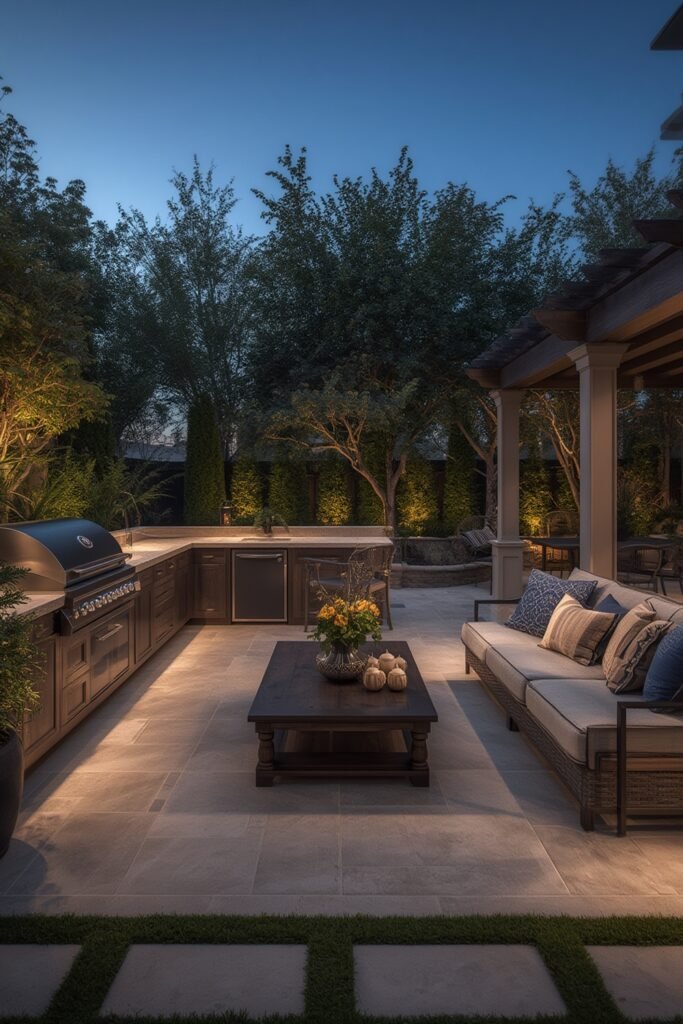
If you want to create an outdoor retreat that’s beautiful, accessible, and packed with resale value, smart outdoor living space upgrades are your path forward. With a strategic approach—balancing design, technical musts, and future needs—you protect your home’s value and ensure safe enjoyment for years to come. Download our project checklist and budget template, or get answers to your next steps now.
Step-by-Step Guide: Planning & Executing Outdoor Living Space Upgrades
- Assess current outdoor space: Map access points, sun/shade, slopes, and mobility obstacles.
- Prioritize needs: Is this for routine entertaining, multigenerational use, or maximizing resale?
- Choose budget and must-haves: Reference our cost tables above to decide where you’ll spend versus save.
- Select proven, accessible materials and layout designs that allow upgrades later (ramps, railings, power connections).
- Vet and hire contractors with recent, local references for accessible projects.
- Apply for all necessary permits—don’t risk penalties or redo work. Consult your municipality or use their online permit portals.
- Schedule your build to minimize disruption and weather delays (early spring or late summer are typically best).
- Do a thorough post-project walkthrough, test all features, and get final permit sign-off before making final payment.
- Maintain and review yearly—clean surfaces, check handrails, and inspect for wear or needed updates.