

### Blog Post:
ADU construction is transforming how financially careful U.S. homeowners address housing shortages and care for aging family—while protecting their budgets and property values. In this guide, you’ll get realistic, step-by-step advice to avoid costly missteps, ensure accessibility from day one, and accurately budget for both investment returns and senior-friendly living.
Key Takeaways
- ADUs (Accessory Dwelling Units) offer flexible, future-proof solutions for rental income, multigenerational living, and aging in place—but require careful planning for cost, permits, and accessibility.
- Typical ADU construction budgets exceed $100,000 in major metro areas, and timelines can stretch 12 months or more due to permitting and site challenges.
- Building for senior accessibility up front is far more cost-effective than retrofitting, and demand is rising sharply as the U.S. senior population grows past 61 million in 2024.
- Why ADU construction matters right now
- ADU types explained: backyard cottage, granny flat, detached ADU, garage conversion ADU
- Average costs (2024–2025 estimates) by region and unit type — how to budget
- Typical build times and realistic timelines for metros (pre-permit through move-in)
- Permitting, zoning and the most common local ordinances that delay ADUs
- Financing ADUs — options and common financing barriers
- ROI, rental yields and tenant demand by ADU type (detached ADU vs. garage conversion ADU)
- Most frequent homeowner complaints during permitting, construction, and renting phases
- ADUs as an aging-in-place strategy — accessibility and safety considerations
- Technical requirements & innovations to future-proof ADUs (sustainability, prefab, accessibility)
- Regional permitting checklist and sample timeline (downloadable/printable)
- Top 3 critical sub-topics current top-ranking articles miss (what this piece will add)
- Actionable next steps and downloadable budget/pro forma template
- FAQ
Why ADU construction matters right now
The U.S. is facing a severe housing shortage while the 65+ population will pass 61.2 million in 2024—18 percent of all Americans. Rental demand and the need for flexible multigenerational solutions are at record highs. Census data and the latest research confirm ADUs are surging in interest, both as investment properties and as dignified options for keeping aging loved ones close while maintaining privacy, safety, and independence.
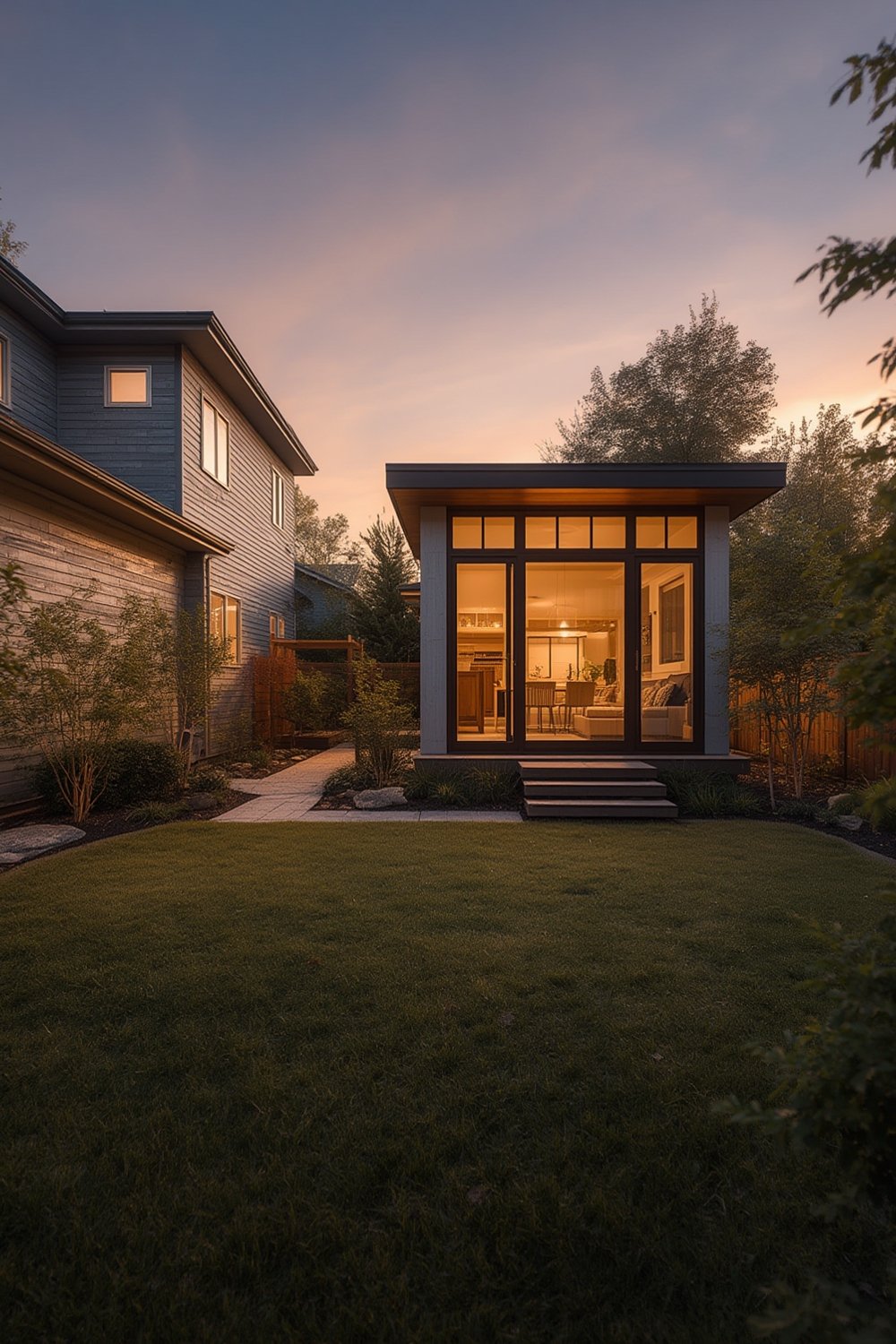
For homeowners aged 40–70 in metro markets, accessory dwelling unit projects have emerged as a practical way to combine long-term property value, rental income opportunity, and a realistic aging-in-place plan. But success depends on deep understanding of local permitting, cost, and accessibility challenges—especially for those planning for their own senior years or accommodating older relatives.
ADU types explained: backyard cottage, granny flat, detached ADU, garage conversion ADU
There’s no one-size-fits-all ADU. Here’s how the main types break down:
- Backyard cottage: Small, stand-alone unit—often 400-800 sq. ft. Medium to high complexity, ideal for long term family or rental use.
- Granny flat: Sometimes attached to the main home, but legally distinct; great for single-level living and faster access to main house.
- Detached ADU: Standalone structure, 600–1200 sq. ft. Highest privacy and rental potential, but usually highest cost and longer permitting.
- Garage conversion ADU: Fastest and lowest cost—repurpose existing garage, often 250–600 sq. ft. Great for tighter budgets or timeline but may have limitations for accessibility or long-term resale.
Use-case suitability varies:
- Long-term rental: Detached ADU, backyard cottage
- Family or caregiver: Granny flat, garage conversion ADU, backyard cottage
- Short-term rental: Detached ADU or garage conversion (where allowed)
Cost is a major differentiator. Nearly half of U.S. homeowners estimate costs over $20,000 just for aging in place modifications—with 1 in 10 expecting over $100,000. A full ADU is often an even bigger number, so set expectations high and plan for contingencies.
Average costs (2024–2025 estimates) by region and unit type — how to budget
ADU construction costs depend on structural type, region, condition of your existing home, and site specifics.
Main cost drivers:
- Foundation and site work (grading, crawlspace/slab)
- Utility hook-ups (electric, water, sewer, gas)
- Permits and impact fees
- HVAC, insulation, and energy code compliance
- Interior finishes and accessibility upgrades
| Region | Backyard Cottage (400-800 sq. ft.) |
Detached ADU (600-1200 sq. ft.) |
Garage Conversion ADU |
|---|---|---|---|
| California (SF, LA) | $160,000 – $280,000 | $220,000 – $350,000 | $90,000 – $180,000 |
| Pacific Northwest (Seattle, Portland) | $140,000 – $220,000 | $190,000 – $300,000 | $80,000 – $140,000 |
| East Coast Metros (NYC, Boston, DC) | $170,000 – $280,000 | $220,000 – $375,000 | $100,000 – $160,000 |
| Southern Metros (Austin, Atlanta) | $110,000 – $180,000 | $150,000 – $240,000 | $75,000 – $120,000 |
Nearly half of homeowners already estimate over $20,000 required for proper aging-in-place prep, and 1 in 10 exceed $100,000. Many underestimate costs by 20–30 percent. Always build a 10–20 percent contingency into your budget—and use an editable ADU budget template to track expenses as your project progresses.
See this rental income and construction case study for more metro-adapted budget breakdowns.
Typical build times and realistic timelines for metros (pre-permit through move-in)
Even small accessory dwelling unit projects experience surprising delays. Realistic ADU construction timelines look like this:
- Design & site assessment: 2–5 weeks
- Permitting & approvals: 2–9 months (major metros average 4–6 months; small cities can be 2–3 months if documentation is complete)
- Site prep & foundation: 2–5 weeks
- Framing, MEP (Mechanical/Electrical/Plumbing): 2–6 weeks
- Interior finishes & inspections: 3–8 weeks
Homes with incomplete drawings or accessibility plans often see delays. Only 46 percent of older Americans feel prepared to update their homes, which often extends permit reviews and revision cycles.
Budget for 9–14 months from first consult to move-in for most projects in metro regions—and factor in seasonal or utility-driven slowdowns.
Permitting, zoning and the most common local ordinances that delay ADUs
Each city sets its own ADU construction rules. Expect regulatory friction in these areas:
- Setback requirements and minimum lot size
- Maximum unit size and height
- Parking or owner-occupancy waivers
- Utility capacity studies (stormwater, sewer, electrical)
- Neighborhood notice or hearings
Financial and readiness barriers are widespread: 53 percent of prospective ADU homeowners cite maintenance or repair costs as obstacles, and just 46 percent feel ready to update their properties. As a result, incomplete permit applications are a top cause of project delays.
- What are your minimum lot size and setback rules for ADUs?
- What are maximum allowed square footage and height limits?
- Are owner-occupancy requirements enforced?
- Is off-street parking required for the new unit?
- What are all applicable impact fees and permit costs?
- Will I need a utility (stormwater, sewer, electric) upgrade?
- Are pre-approved ADU plans available?
- Is a neighborhood hearing required?
- Can I use a prefab or modular ADU?
- What are the required accessibility features?
For quick, city-by-city readiness tips, see our permit playbook for ADUs.
Financing ADUs — options and common financing barriers
Most homeowners need extra funding for ADU construction beyond cash savings, given aging-related improvements can top $100,000. Main options include:
- Home Equity Line of Credit (HELOC)
- Cash-out refinancing (best for those with substantial equity and low fixed rate)
- Construction-to-permanent loan (new financing for both build and mortgage)
- FHA Title II and municipal grants/low-interest loans (where available)
Common pitfalls: Lender inexperience with ADU appraisal, uncertainty about permitted rental income, incomplete pro formas, and delays due to unclear project bids. Roughly half of homeowners expect costs over $20,000 for upgrades, but few have lender-ready documentation. Always prepare a clear rental pro forma and complete budget when approaching lenders.
For a template, download our ADU budget and pro forma worksheet.
Want to explore more home upgrade financing? Visit energy-efficient home upgrades for tips on combining projects and unlocking local grant programs.
ROI, rental yields and tenant demand by ADU type (detached ADU vs. garage conversion ADU)
Detached ADU: Typically commands higher rents (often $1,600–$3,000+/month in large metros), attracts stable, long-term tenants including downsizing seniors, caregivers, or young professionals. Annual yield often ranges 4–7 percent depending on land value and total build cost. Vacancy rates remain low with strong demographic support: 61.2 million seniors in 2024, 84 percent prioritizing aging in place.
Garage conversion ADU: Rents lower ($1,000–$2,100/month range), ideal for short-term renters or family; lower build cost means breakeven/ROI can be achieved in 7–10 years. Accessibility can be more challenging due to existing steps or structural constraints.
| Detached ADU | Garage Conversion ADU | |
|---|---|---|
| Average Build Cost | $220,000–$350,000 | $80,000–$160,000 |
| Typical Rent (Metro) | $1,800–$3,000+ | $1,200–$2,100 |
| Tenant Type | Seniors, young professionals, family | Family, students, short-term |
| Yield % (Year 1–3) | 4–7% | 6–10% |
| Payback Period | 12–18 years | 7–12 years |
| Accessibility for Seniors | Excellent (if designed right) | Variable—consider step-free entry modifications |
For advanced rental assumptions and side-by-side pro formas, check our detailed guide to ADU rental income.
Most frequent homeowner complaints during permitting, construction, and renting phases
Based on national research, the top pain points during any accessory dwelling unit project include:
- Unexpected costs exceeding early estimates (53 percent cite financial obstacles, particularly maintenance/repairs)
- Permit delays from incomplete documents or changing city codes
- Neighbor pushback causing extra hearings or appeals
- Change orders for site conditions or accessibility upgrades
- Utility hook-up issues and local capacity constraints
- Tenant turnover and ongoing property management problems
- Bring a complete, accessible design package at the start.
- Budget at least 15 percent for contingencies.
- Ask your planning department detailed questions (see permit checklist).
- Engage an experienced ADU builder or expeditor for complex sites.
- Vet tenant screening and property management options early.
For more tips on reducing project headaches, read garage organization for ADU prep.
ADUs as an aging-in-place strategy — accessibility and safety considerations
ADUs enable aging in place for yourself or family while adding property value. In 2025, 84 percent of older Americans said aging in place is important, but only 46 percent feel ready to make their homes safer or more accessible. Proactive ADU design avoids dramatic future retrofits and supports quality of life and independence.
- Zero-step entries or ramps (minimize need for lifts/retrofitting)
- Wider doors and hallways for mobility devices
- Blocking in walls for future grab bar installation
- Single-level, open layouts (no interior stairs)
- Non-slip, durable flooring like SPC flooring
- Easy-reach switches, lever door handles, accessible kitchens/baths
- Reinforced bathroom structure for grab bars and grab bars
- Exterior lighting and clear, step-free outdoor paths
Fact: Installing these features now is typically 40–60 percent cheaper than retrofitting after move-in. Fall-prevention improvements alone can reduce senior fall risk by 38 percent and avoid expensive medical bills. Read the full research.
Technical requirements & innovations to future-proof ADUs (sustainability, prefab, accessibility)
Modern ADU construction can be both sustainable and adaptable. Popular “future-proofing” upgrades include:
- Prefab/modular ADU packages—faster build, often under 6 months from signed contract to finish
- All-electric systems with high-efficiency heat pump HVAC/hot water
- Net-zero energy ready (solar wiring, battery storage rough-in)
- Smart-home monitoring: leak detection, video, motion lighting (see smart home technology)
- Low-maintenance exterior finishes—fiber cement, composite decking
- Bariatric load-rated grab bars and ADA-compliant bath hardware
Given that nearly half of homeowners estimate >$20,000 is needed for accessibility, planning these innovations before construction yields long-term savings and less stress for aging-in-place.
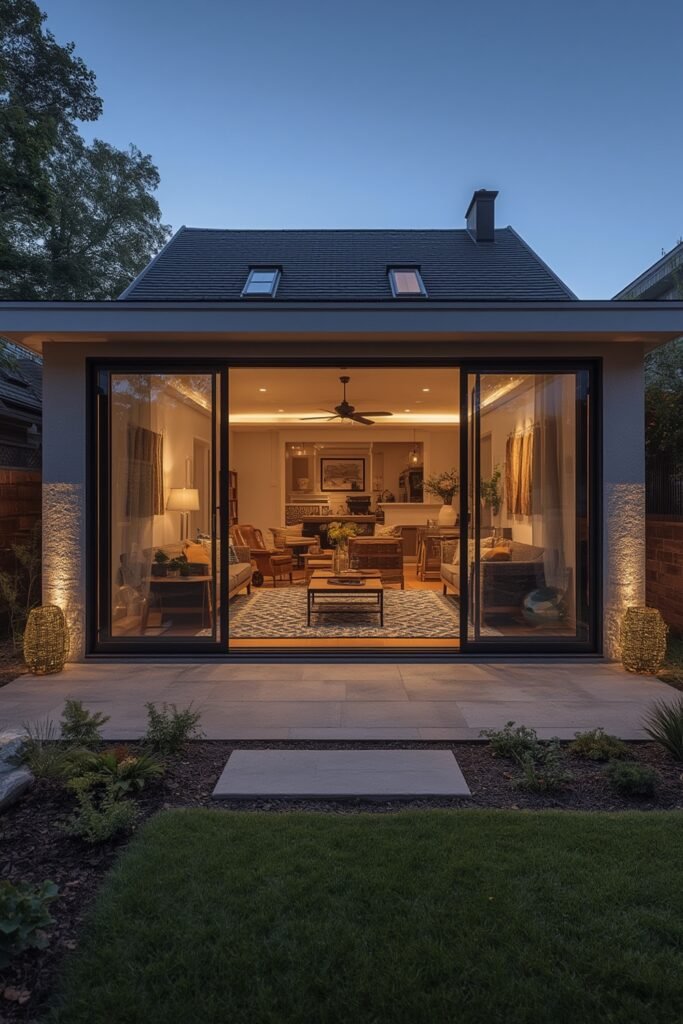
Regional permitting checklist and sample timeline (downloadable/printable)
Many homeowners are unprepared for the paperwork and steps required for ADU construction. This checklist solves that gap, step by step:
- Review your property survey for setbacks and easements
- Speak with your city planning office (see top 10 questions)
- Get initial project bids from at least two builders experienced in local ADUs
- Hire design professionals (architect/engineer) for drawings and site plan
- Submit permit application, utility sign-off, pay fees
- Respond promptly to comments or corrections
- Secure financing approval—complete rental pro forma, contingency line
- Schedule pre-construction meeting and construction start
- Regular inspections and schedule check-ins
- Final occupancy and rental prep
Typical ADU timeline: 6–18 months depending on region, complexity, and preparedness. If permit feedback is slow, or if multiple city agencies are involved, call a professional expeditor if:
- You have waited more than 60 days with no permit status update
- Your site has major grading, floodplain, or utility issues
- The city requests detailed accessibility or variance information
For specialty bathroom or accessibility upgrades, see bathroom accessibility features.
Top 3 critical sub-topics current top-ranking articles miss (what this piece will add)
- Granular, region-specific cost tables for all major ADU types, plus realistic contingency recommendations based on site conditions and inflation—most articles gloss over true, on-the-ground cost ranges.
- Side-by-side rental yield and demand analysis for detached vs. garage conversion ADUs, including payback timelines tailored to metro-level rents. Competitor content rarely quantifies actual yield and vacancy risk.
- Step-by-step permit and budget checklist paired with a downloadable, editable pro forma for true planning accuracy—including questions every city and lender will ask and strategies to meet local accessibility codes from the start.
Most top-ranking results barely acknowledge the 53 percent of owners citing financial obstacles, or the fact that only 46 percent feel ready for home upgrades. This content arms you to act confidently—without hidden costs or post-construction headaches.
Actionable next steps and downloadable budget/pro forma template
Ready to move forward with ADU construction? Consider this decision checklist:
- Should you build new, convert an existing garage, or wait for better market/timing?
- Have you verified all zoning and permitting requirements for your lot?
- Is your preliminary budget 15 percent above builder estimate for safety?
- Do you have a clear senior-accessible design and future needs plan?
- Have you engaged both a builder and a lender with ADU experience?
Download your editable ADU budget & rental pro forma template here:
Click to download Excel/Google Sheets template
Before meeting contractors or lenders, bring the following questions:
- What costs are not included in this estimate?
- How do you address senior-friendly codes and accessibility?
- What is the current permit backlog and expected timeline?
- Are there local grants or incentives for accessible ADUs?
- Can you provide references for completed ADUs in this neighborhood?
If you’re still comparing options for accessibility and property upgrades, see our primer on aging in place modifications and walk-in shower conversions.
FAQ
How much does ADU construction actually cost in major U.S. metros?
Most detached ADUs cost $200,000 to $350,000 in high-cost markets; garage conversions usually fall between $80,000 and $160,000. Always add a 10–20 percent contingency for change orders or permitting delays.
How long does it take to build and rent out an ADU?
Plan for 9–14 months total in most metro areas, including design and permitting. Some prefab ADUs can be completed in as little as 6 months, but local permit cycles may still introduce delays.
What senior-accessible features should be included from the start?
Zero-step entry, wider doorways, roll-in shower, single-level layout, lever handles, and blocking for grab bars will future-proof your ADU and save on renovation costs later.
What are the main reasons ADU projects get delayed or go over budget?
Permit errors, underestimated costs, city code changes, discovery of site issues (like buried utilities) and accessibility retrofits ordered late in the process cause most blow-outs. Builder inexperience with local rules is another red flag.
Can I finance ADU construction with a HELOC?
Yes, if you have sufficient equity in your main home and strong credit. Ensure your lender understands ADU rental income potential and bring a clear pro forma to increase approval odds.