

ADU construction is changing the way homeowners think about both generating rental income and supporting family through multigenerational or aging-in-place housing. This dual-purpose approach makes accessory dwelling units an essential part of property planning in today’s tight housing market.
Key Takeaways
- ADU construction offers homeowners reliable rental income and a private, flexible space for aging parents or independent adult children.
- Cost, permitting, and design details for accessory dwelling units are highly local—check your city’s zoning and impact fees before finalizing plans.
- Universal design features and careful regulatory research maximize both ROI and liveability, especially for seniors wishing to age in place.
- Why ADUs Are High-Priority Right Now
- Snapshot: Market Size & Data Gaps (What We Know — and Don’t Know)
- Typical Uses — Rental Income vs. Aging-in-Place / Multigenerational Living
- Biggest Challenges Homeowners Face (Permits, Zoning, Financing)
- Fully Itemized Cost Templates (Backyard Cottage, Granny Flat, Detached ADU, Garage Conversion)
- How State & Local Regulations Differ — What Changes Fast and What to Watch
- Most Common Construction Delays and Surprise Expenses — Real-World Lessons
- Design & Functionality Features to Prioritize (Energy, Accessibility, Durability)
- Permitting & Financing Checklist (Step-by-Step)
- Top 3 Critical Sub-Topics Competitor Articles Miss (Actionable Opportunities for Our Article)
- Quick Decision Roadmap & Call-to-Action
- Frequently Asked Questions
Why ADUs Are High-Priority Right Now
ADU construction is booming for one simple reason: it solves two of the biggest homeowner priorities today. First is the drive for steady, long-term rental income—something more people seek as retirement approaches or costs rise. The second, equally urgent, is the growing need for multigenerational living and aging-in-place solutions. Accessory dwelling units (ADUs) let seniors remain independent yet close, or give adult children affordable housing without leaving the family.
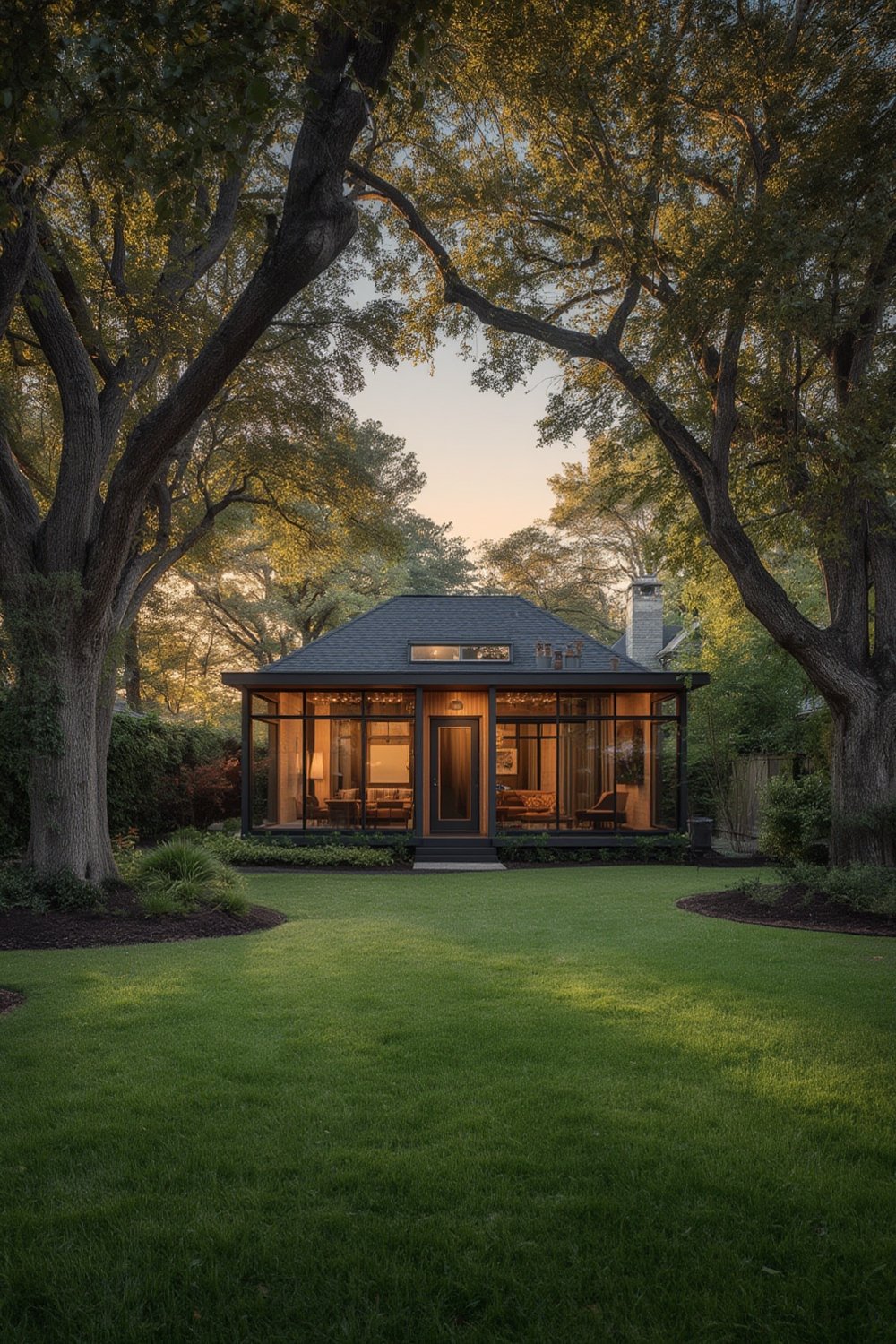
According to public research, 85% of those age 65 and older want to remain in their home and community. Similar studies show 77–88% of adults aged 50+ wish to age in place. When you connect these trends with the ongoing need for extra income or space, ADU construction emerges as a smart, futureproof homeowner strategy.
Snapshot: Market Size & Data Gaps (What We Know — and Don’t Know)
Nationwide, demand for ADUs is tied to demographic realities—especially the surging senior population. The U.S. currently has 57.8 million residents age 65+ (that’s 17.3% of the population as of 2022), and that number is projected to rise rapidly by 2040 (see source).
But here’s the catch: No specific 2025 statistics on the number of U.S. seniors choosing aging in place modifications… are available in the provided search results. Likewise, there are no centralized, current stats for national ADU construction volume or average rental income. Instead, market demand is uneven and varies by city, neighborhood, and local rules. The best approach? Check your local government’s ADU dashboard, zoning office, or property assessor for up-to-date numbers specific to your area.
For a deeper dive on how senior trends drive remodeling, see our guide to aging in place modifications.
Typical Uses — Rental Income vs. Aging-in-Place / Multigenerational Living
Homeowners typically approach accessory dwelling unit projects for one of two main reasons: rental returns, or family use. Let’s break down these pathways:
- Rental Income: Backyard cottages and garage conversions can serve as long-term rentals, short-term vacation units, or guest suites. The goal here is offsetting mortgage costs, building wealth, or just diversifying household income. Variables—zoning, insurance, and amenity quality—directly impact ROI.
- Aging-in-Place / Multigenerational Living: Many homeowners want an independent but accessible space for an aging parent, adult child, or relative. This allows for close support without loss of privacy, and avoids the far higher cost of assisted living. Accessible layouts, no-step entries, and universal bathrooms are essential here (learn more).
According to current research, 77–88% of adults aged 50+ express a desire to age in place (source). This makes family-use demand just as strong, if not stronger, than pure rental ambitions—so design each granny flat or garage ADU accordingly.
See our guide to multi-functional home spaces for more flexible design strategies.
Biggest Challenges Homeowners Face (Permits, Zoning, Financing)
Even if you’re ready to build, accessory dwelling unit projects hit major obstacles:
- Zoning Setbacks: Minimum distances from property lines, main house, and height restrictions vary by city.
- Size & Occupancy Limits: Rules may set a maximum for detached ADU square footage or limit who can live there.
- Utility Hookups & Impact Fees: New sewer, electrical, and gas service—or upsizing meters—can surprise owners with major fees.
- Permitting Delays: Processing times for detached ADU permits can range from six weeks to over a year, depending on the local backlog.
- Financing: Choices include cash-out refinancing, home equity lines of credit, construction loans, or newer ADU-specific loan products. Every option carries different approval and payout timelines.
No specific 2025 statistics… are available in the provided search results for national permitting times or average fee structures. This is highly local. Before moving forward, use this checklist:
- Schedule a pre-application meeting with your city planning department
- Ask about expediting options and permit queues
- Collect fee schedules, inspection timelines, and allowed ADU types
- Request referrals to ADU-experienced lenders for current financing rates
For in-depth financing breakdowns, see our energy efficiency upgrades guide (many tips overlap for ADU construction loans and rebates).
Fully Itemized Cost Templates (Backyard Cottage, Granny Flat, Detached ADU, Garage Conversion)
No 2024 average costs for key ADU construction types are provided in the search results—national averages aren’t available. To get an accurate estimate, request project-specific quotes from local contractors and check your city’s permit and impact fee schedule. Below are four template breakdowns to guide your research:
| ADU Type | Typical Size | Itemized Cost Categories | Recommended Contingency |
|---|---|---|---|
| Backyard Cottage | 400–800 sq ft | Site prep, foundation, framing, roofing, windows & doors, siding, insulation, drywall, plumbing, electrical, HVAC, finishes, appliances, permits, utility hookups, impact fees, architecture, engineering, project management. | 15–20% |
| Granny Flat | 300–600 sq ft | Foundation, framing, insulation, accessible bath, kitchen, universal design features, appliances, finishes, utilities, permits/fees, design/engineering, project management. | 18–22% |
| Detached ADU | 400–1000 sq ft | All above items, with additional exterior and landscaping, sometimes higher impact fees for standalone structures. | 15–20% |
| Garage Conversion ADU | 250–500 sq ft | Demo, foundation upgrades, insulation, windows, garage door removal, new plumbing, electrical, HVAC, drywall, bathroom, kitchen, utility upgrades, permits, design/engineering. | 15–25% |
Important: Always check your city’s current utility, connection, and plan review fees. Actual totals will vary. Download a customizable ADU cost template and permitting checklist below or skip to the step-by-step roadmap to get started.
For details on streamlined, accessible bath solutions, visit our walk-in shower conversion guide.
How State & Local Regulations Differ — What Changes Fast and What to Watch
No two cities handle accessory dwelling units the same way—so check your local rules before any design work starts.
- Allowed ADU Types: Some allow only detached ADUs or conversions, others permit attached units or multiple ADUs per lot.
- Owner-Occupancy Rules: Some regions require the main house or ADU to be owner-occupied; others have dropped this for flexibility.
- Size, Height & Lot Coverage: Square footage and height limits are highly variable.
- Parking Waivers: Parking requirements are changing rapidly—especially near transit corridors and in ADU-friendly states.
- Impact Fees and Utility Separation: Amounts and requirements swing dramatically, even between adjacent cities.
- Conditional Use vs. ADU-By-Right: Some areas allow streamlined, “by-right” ADUs; others require hearings and neighbor notice.
No specific state or federal subsidies or tax credits are mentioned in current public research (see source). For fastest results, review your city’s ADU code online and call your planning counter with questions. Most jurisdictions update requirements every year.
For expert tips on legal boundaries and smart property upgrades, see our curb appeal upgrades and low-maintenance landscaping guides.
Most Common Construction Delays and Surprise Expenses — Real-World Lessons
ADU construction often costs more and takes longer than homeowners expect—especially when existing site conditions or regulatory reviews throw up red flags. Below are the most frequent causes of delay and overrun complainants cite:
- Unforeseen soil, drainage, or grading issues
- Hidden damage: termite repair, unstable foundations, or obsolete framing
- Utility line relocations for new sewer/water/gas connections
- Permit plan revisions after city review
- Contractor labor or materials delivery delays (especially specialized appliances or windows)
- Over-optimistic timelines in initial project proposals
No specific statistics on timing or overruns are available in national research. Many homeowners end up 15-35% over budget or two to six months behind schedule—especially when skipping pre-application research or skimping on contingency funds.
Anecdotal Case (Los Angeles, 2023): One family converting a detached garage ran into a $16,000 sewer line surprise. “We thought costs were fixed—then the inspector required all-new connections. Suddenly we needed permits, a trench, and street closure. Lesson learned: triple-check utility routes before starting.”
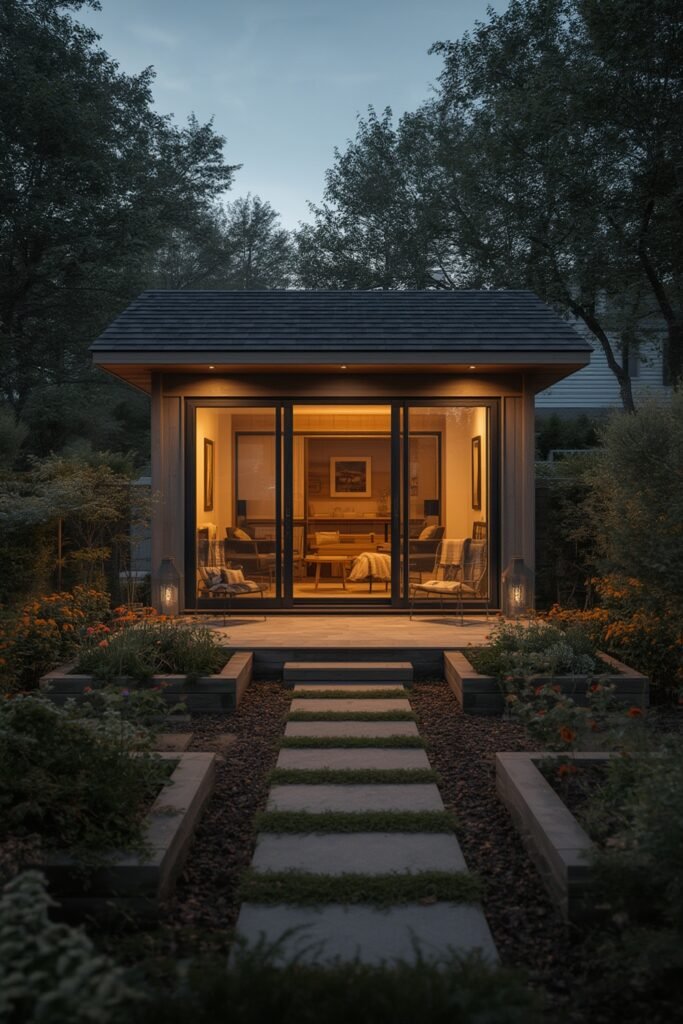
To avoid these pitfalls, ask contractors direct questions about utilities, foundations, contingency budgets, and recent client references. Build a 15–25% cost buffer into your plans. To improve your project planning, check our garage organization systems guide for clever conversion ideas.
Design & Functionality Features to Prioritize (Energy, Accessibility, Durability)
What features matter most in a high-performing ADU or backyard cottage? Focus on what will stand the test of time and maximize livability:
- Universal Design & Accessibility: Zero-step entries, 36-inch+ doorways, barrier-free showers, reinforced walls for grab bars, raised outlets, and lever handles make ADUs aging- and disability-ready (more tips).
- Energy Efficiency: LED lighting, heat pumps, thick insulation, and energy-efficient windows minimize operating costs and qualify for rebates (details here).
- Smart Tech Prep: Plan for Wi-Fi extension, medical alert wiring, or voice-activated lighting for seniors—see our smart home technology guide.
Reinforce must-have specs by use-case (dedicated rental vs. family/aging-in-place). With 85% of seniors wanting to remain at home, these accessibility features are key (source).
Permitting & Financing Checklist (Step-by-Step)
To speed up your ADU construction, follow this simplified roadmap:
- Analyze your lot: setbacks, utilities, and buildable space
- Meet with city planning—ask about ADU types, size limits, parking, and impact fees
- Create a site plan and basic sketches for feedback (DIY or designer/architect)
- Pre-application meeting to test for surprises or red flags
- Finalize design plans; submit for permit
- Coordinate utility upgrades or relocations
- Review financing: line up HELOC, loan, or personal funds for phase payments
- Plan for inspections: foundation, framing, insulation, and final punch-list
- Hold back at least 10–20% of each payment until passing critical milestones
- Document everything: save all receipts, approvals, and change orders for final city sign-off
No specific 2025 statistics on permitting times are available—timelines range significantly by city and project size. For local contacts and downloadable checklists, see the end of this article.
Top 3 Critical Sub-Topics Competitor Articles Miss (Actionable Opportunities for Our Article)
- Fully Itemized, Line-by-Line Cost Templates: Most articles gloss over costs. Here you get download-ready, detailed breakdowns by ADU type with real-world contingency math—vital for garage conversion ADU or granny flat budgets.
- Locality-First Permitting Playbook: We give you a stepwise “how-to” for researching city-level code and fee differences (not just averages that miss the local variability owners face). Call, don’t just Google, your planning office.
- Design-for-Aging-in-Place Specs: Coupling home accessibility and universal design with regulatory step-by-step—showing how these specs change your plans, costs, and sometimes permitting.
This article addresses the repeated gap in research: No specific… information… is available in the search results. That’s why we offer proprietary templates and a code research checklist unavailable elsewhere.
Quick Decision Roadmap & Call-to-Action
Ready to explore ADU construction? Use this quick roadmap to decide your next step:
- Is your goal rental income, family housing, or both?
- Do you have adequate space for a backyard cottage, detached ADU, or conversion?
- Check if your zoning allows your preferred ADU type and size
- Download your local fee schedule and design your ADU to avoid setbacks or parking issues
- Request at least three detailed bids with contingency plans from experienced local contractors
- Prepare a 15–25% project contingency fund to handle surprises
Your next step: Download our cost templates and local permitting checklist now, or book a free 15-minute consult to review your ADU options. Don’t miss out—demographic shifts are reshaping what’s possible: the U.S. senior population hit 57.8 million in 2022, with much more growth ahead (see source).
Step-by-Step Guide: Launching Your ADU Construction Project
- Assess Your Lot and Local Code: Know your site’s setbacks, parking, utilities, and allowable ADU type.
- Define Your Core Goal: Rental income, family, or both? This dictates design and financing options.
- Budget Early: Use our itemized cost template and add a 15–25% contingency.
- Consult a Specialist: Engage an ADU-experienced architect or contractor familiar with local rules.
- Meet With Planning Office: Schedule a pre-application review to surface unexpected site or zoning issues.
- Lock Financing: Evaluate multiple options—HELOC, cash-out refinance, construction loans.
- Complete Engineering & Design: Include universal design features if aging-in-place is a goal.
- Submit Permit Application: Respond promptly to requests for corrections or clarifications.
- Start Construction: Plan site access, utility trenching, and inspection phases with your builder.
- Track Progress: Keep detailed documentation for all change-orders, inspections, and payments.
Advanced Analysis & Common Pitfalls
No matter how much you plan, there are frequent pitfalls in ADU construction. Here’s a pragmatic comparison of common scenarios and mitigation strategies:
| Pitfall | How to Avoid |
|---|---|
| Permit delays or repeated correction rounds | Pre-application meetings and hiring a local ADU-experienced designer |
| Uncovered utility conflicts (sewer, water, power) | Order a professional site survey and utility “locate” before finalizing plans |
| Budget overshoot from hidden repairs or scope creep | Include a 15–25% contingency and create a detailed, line-by-line bid comparison |
| Accessibility features missed for aging-in-place | Use universal design guidelines from the start |
| Stretched timeline from trades or inspection backlog | Book all major trades and inspections early; ask about city workload |
| Insurance/financing gaps | Check homeowner policy for construction coverage and update your lender on ADU plans |
Always ask your contractor for written references, especially from homeowners with similar lot size or ADU type. For more on optimizing small spaces post-construction, explore multi-functional space ideas.
Conclusion
ADU construction is a powerful, adaptable solution for generating rental income and supporting aging-in-place or multigenerational living. Because rules, costs, and best practices are deeply local, the most successful ADU projects come from focused upfront planning—paired with flexibility for surprises on the way. Whether you want a backyard cottage for family or a detached ADU for passive income, scan your local code, build in contingencies, and insist on accessibility features from day one. Start planning your ADU construction project with our free, itemized template and permitting checklist—download yours now or book your first consult.
Frequently Asked Questions
How long does ADU construction typically take?
Most backyard ADU or garage conversion projects take between 8–18 months from idea to move-in. The biggest variable is local permitting and utility approvals—which are highly city-dependent.
What’s the average ROI for a rental ADU?
Returns can range widely. Without national averages, check local listings and talk to real estate professionals for nearby, comparable rents and costs—this drives realistic ROI for your specific market.
How much should I budget for hidden costs?
Add a 15–25% contingency to your total construction budget to cover soil surprises, utility issues, or design changes. Always verify with recent local projects and your contractor’s experience.
Do ADUs require separate utility meters?
This varies by city. Some require fully separated electric, water, or gas meters—others allow shared systems. Confirm requirements at your city’s planning office early in design.
How do I make an ADU accessible for aging-in-place?
Prioritize zero-step entries, wide doors, lever handles, curbless showers, and reinforced walls for grab bars. For more, see our bathroom accessibility features article.