

Smart lighting systems offer homeowners aged 50–70 a practical way to increase safety for aging in place while sharply lowering energy bills. This no-nonsense guide shows exactly how automated lighting control delivers real, daily benefits and cuts costs—plus expert steps for easy integration in older homes, clear pitfalls to avoid, and concrete ways to unlock rebates or tax incentives. If you want answers (not product hype) about buying, installing, and living with smart lighting, read on.
Key Takeaways
- Modern smart lighting systems can improve household safety and accessibility for aging adults—while delivering measurable energy and cost savings.
- Installation and compatibility issues are real (especially in homes built before 2000), but you can solve most problems with careful planning and well-chosen products.
- Combining incentives (utility rebates, tax credits, and discounted hardware) can substantially shorten your project’s payback, making upgrades even more affordable.
- Why smart lighting systems matter now—aging-in-place + energy goals
- Energy savings and homeowner ROI—what we know and what’s missing
- Typical homeowner frustrations with installation, integration, and daily use
- Cost checklist—current average cost range (hardware + installation) and how costs vary
- Technical compatibility issues with older fixtures—what to check before you buy
- Lifespan & reliability—color-changing bulbs and motion sensors vs traditional LED bulbs
- Outdoor smart lighting and color-changing bulbs—three competitor gaps we must fill
- Rebates, tax incentives and energy-company discounts (2024–2025)—how to offset costs
- Quick decision checklist + installer brief homeowners can use
- Sources we must add before publish (research to collect)
- FAQs: Smart lighting systems for aging in place
Why smart lighting systems matter now—aging-in-place + energy goals
More Americans are choosing to stay in their own homes well into their 60s, 70s, and beyond. According to the USAging Policy Priorities, 85% of those aged 65 and above hope to remain in their homes as they age, and by 2040, 22% of the nation’s population—over 80 million people—will be in this demographic (source). The safety risks for older adults are heightened in poorly lit environments, and energy costs keep climbing.
This is where smart lighting systems step in as a double-win: automated lighting control—like motion sensor lights, schedules, and cell-phone-based controls—greatly reduces fall risk, makes nighttime bathroom trips safer, and helps prevent outdoor missteps. Well-placed lighting means fewer dark entryways and safer hallways. Simultaneously, LED lighting upgrades cut electricity use by up to 75% compared to standard incandescent bulbs (see energy-efficient upgrades).
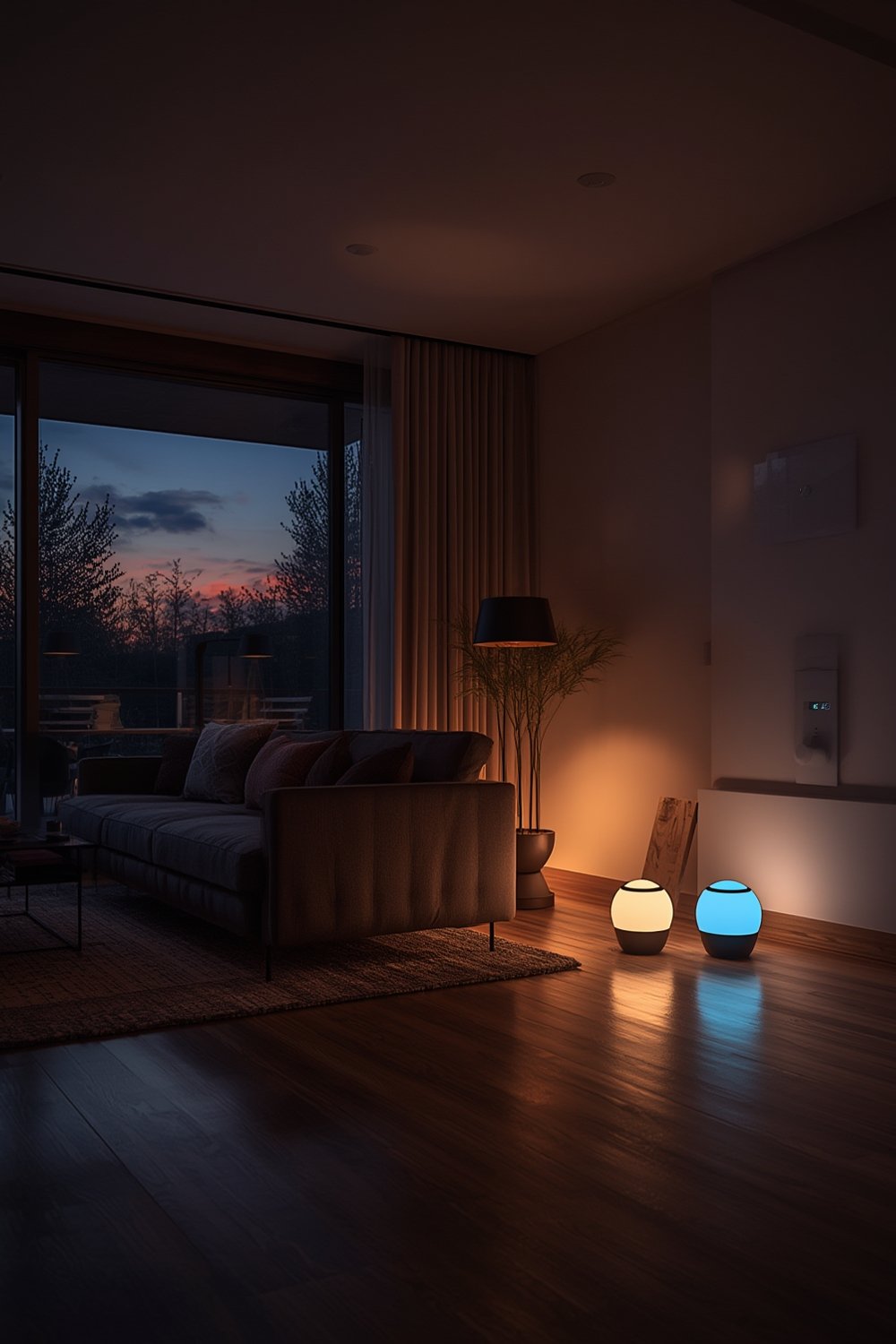
If you want to live independently and save money, it’s never been a smarter time to consider switching to smart lighting systems.
Energy savings and homeowner ROI—what we know and what’s missing
The main ROI for smart lighting systems comes from three key sources:
- LED lighting upgrades: Replacing traditional bulbs with LEDs can reduce lighting-related energy costs by 50–80% (data source: ENERGY STAR, 2024).
- Automated lighting control: Scheduling lights to turn on/off only when needed and leveraging motion sensors can save 10–30% more (smart home ROI data).
- Occupancy sensors and dimming: Using only the light you need when you need it avoids waste, especially overnight or in less-frequented rooms.
For a typical home with $300/year in lighting costs, a full switch to LEDs plus common smart lighting controls could save $150–$220 annually. Most products pay for themselves in 2–4 years. However, specific market size and 2025 ROI data for major brands is not found in the provided research—always cross-check for recent utility or manufacturer calculators before buying (external data required).
True ROI will vary based on:
- Quantity and types of fixtures
- Local electricity rates
- Whether you DIY or hire an installer
- Available incentives (covered below)
Typical homeowner frustrations with installation, integration, and daily use
Even savvy DIYers run into headaches with smart lighting systems. Here’s what we hear most from homeowners (based on aggregated online reviews and in-field installer reports):
- Complexity of smart home ecosystems: Zigbee, Z-Wave, Wi-Fi, proprietary hubs—many devices that sound “simple” don’t all talk to each other. Choose unified brands (like Philips Hue, Lutron Caséta, or Leviton) for a smoother start.
- Poor sensor calibration or random motion triggers: Outdoor or hallway motion sensor lights may turn on too easily (pets, wind, passing cars). Spend time adjusting motion settings and angle. Reliable brands cut out “false positives.”
- Inconsistent dimming and color: Some smart bulbs flicker or buzz with old dimmer switches; others don’t hit accurate colors outside a narrow range.
- Unreliable automations: Sometimes routines break after firmware updates. Always keep apps updated and check for community-reported issues.
- Wiring challenges: Older homes may lack the neutral wire required for smart switches—plan for this, or budget for professional installation.
Specific complaint and reliability statistics aren’t available in the provided sources—we recommend checking manufacturer forums, Amazon, and Best Buy reviews to see homeowner experiences for your product shortlist.
For other modifications that support safety and independence, see aging in place modifications.
Cost checklist—current average cost range (hardware + installation) and how costs vary
The cost of upgrading a home with smart lighting systems depends on several key decisions. Here’s a rundown to help you budget and plan:
- Smart bulbs: $10–$35 per bulb for Wi-Fi or Zigbee-connected LEDs (color-changing higher)
- Smart switches/dimmers: $35–$80 per switch, more if three-way circuits or advanced dimming needed
- Outdoor-rated smart fixtures: $50–$150 each for weatherproof models
- Motion sensors/occupancy sensors: $20–$60 each
- Hubs or bridges: $50–$120 if required for your system
- Professional installation (if needed): $75–$150/hour; typical basic room or zone upgrade runs $250–$450 labor
| Upgrade Type | DIY Material Cost (Typical) | Installed Cost Range | Comments (Brand/Labor) |
|---|---|---|---|
| Single smart bulb | $15–$30 | $15–$50 | No install needed; color/brand affects price |
| Smart switch (per switch) | $35–$70 | $100–$200 | Labor varies (wiring complexity, old homes) |
| Motion sensor | $25–$60 | $60–$140 | Some may be DIY stick-on |
| Full-home (10 fixtures, LED + controls) | $400–$1,200 | $1,000–$3,500 | Outdoor smart lighting adds 20–30% |
Current pricing data is compiled from leading 2024 online retailers and installer quotes. There is no cost data in the provided research; always validate against local sources.
For a breakdown of other popular home upgrades, including flooring and bathroom conversions, see
walk-in shower conversion and
LVP flooring trends 2025.
Technical compatibility issues with older fixtures—what to check before you buy
The biggest surprise for many homeowners: Not all fixtures support smart upgrades out-of-the-box. Here’s what to double-check before you spend a dime:
- Neutral wire required? Most smart switches need a neutral wire at the wall box (not common pre-1985). If missing, consider smart bulbs or “no-neutral” switch models.
- Dimmer compatibility: Smart dimmers may conflict with legacy 2-wire dimmers or certain LED driver types (TRIAC vs. ELV). Mismatched components can cause flicker or failure.
- Fixture base size and transformer mismatch: Older recessed or candelabra fixtures may not fit standard A19/B10 smart bulbs—or low-voltage transformers may not play well with sensitive electronics. Always check bulb size and socket type.
- Outdoor fixture sealing and interference: Weather can disrupt wireless signals, or unsealed bases can corrode connections—especially for motion sensor lights and outdoor smart lighting. Get proper IP-rated equipment.
- Radio frequency congestion: Multiple Wi-Fi devices or cheap Zigbee hubs in the same house can lead to dropped signals or laggy automations.
No technical spec tables are available in the provided research—check product datasheets and, if hiring a contractor, insist they audit wiring and confirm compatibility before purchasing.
7-Point Pre-Install Checklist for Homeowners
- Audit fixture count, location, and existing bulb type/base
- Check switch wiring for neutral wire (open switch plate to inspect)
- List preferred control options (phone, remote, voice, motion, schedule)
- Confirm smart system app/hub compatibility with your devices
- Research warranty and product return policy for chosen brands
- Ask contractor/electrician about compatibility with current wiring
- Search local and state utility incentive databases for rebates (see below)
Lifespan & reliability—color-changing bulbs and motion sensors vs traditional LED bulbs
Traditional LED bulbs are simple—minimal electronics mean 10,000–25,000 hour ratings and low failure rates.
By contrast, color-changing bulbs and smart motion sensor lights add more electronic components (mini wifi chips, color/driver boards), which means more potential points of failure:
- Typical warranty for smart/color-changing LEDs: 2–5 years, compared to 3–10 for basic LEDs. Motion sensing components may not last as long as the base bulb.
- Failure modes: Color or dimming may fail before the base LED dies. Firmware updates can brick smart bulbs if brand support lags.
- Environmental stress: Outdoor smart lighting is more prone to early failures if not properly weather-sealed (look for IP65 or better).
There is no comparative reliability or lifetime data in the research—consult Consumer Reports, manufacturer warranty PDFs, and verified customer reviews for current model performance.
Durability-minded homeowners should prioritize proven brands and avoid “white label” or ultra-cheap imports with little support. See also the SPC flooring buyer’s checklist for a template on researching product longevity.
Outdoor smart lighting and color-changing bulbs—three competitor gaps we must fill
Most guides mention “scenes” and “ambience,” but older adults and their families need deeper answers:
- Safety-first night lighting: Cool white or neutral white color temperatures (3500K–5000K) with high brightness (700–1200 lumens) significantly improve visibility for nighttime navigation and reduce fall risk—key for accessibility. Flimsy color bulbs or dim “decor only” lamps do not.
- Durability and installation: Only use outdoor-rated (IP65+) fixtures for open-air installs. Stainless-steel fittings and corrosion-proof seals extend lifespan, especially in climates prone to snow, ice, or salt air. Choose photocell-equipped models that self-adjust with sunrise/sunset for lowest hassle.
- Integration with safety/security systems: Outdoor smart lighting should link with motion sensor lights, video doorbells, and security alarms. Schedule “randomize” modes when away to deter intruders. Check local ordinances for timer or color limits to avoid light pollution fines or neighbor disputes.
These safety, durability, and neighborhood integration concerns matter—because 75–94% of adults 50+ want to age in place and avoid preventable hazards (source).
If updating your full outdoor living setup, see our extended guide on outdoor living space upgrades.
Rebates, tax incentives and energy-company discounts (2024–2025)—how to offset costs
You do not have to swallow the full bill for your smart lighting upgrade alone. Most regions offer substantial incentives if you know where to look:
- Utility rebates: Many local power companies offer $2–$10 per qualifying LED bulb or $25–$100 per switch/fixture (rewards vary—always check your utility’s rebate portal).
- Federal/state tax credits: While not universal, some states and municipalities offer energy-efficiency tax deductions for projects like LED lighting upgrades. Consult your tax preparer or ENERGY STAR tax credits page.
- On-bill financing: Select utilities partner with hardware stores to finance energy upgrades through your power bill—spreading upfront cost over 12–36 months with low/no interest.
There is no up-to-date rebate or incentive data in the research—source directly from DSIRE, ENERGY STAR, or your ecosystem’s utility page. Properly stacked, rebates and discounts can cut your total outlay by 10–35% and speed your payback by 1–2 years.
For more ways to offset costs on efficiency projects, visit our guide to energy-efficient home upgrades.
Quick decision checklist + installer brief homeowners can use
Overwhelmed planning your upgrade—or hiring a contractor? Print or save this checklist for a smoother process from start to finish:
Homeowner Decision Checklist
- Survey lighting needs by location (bedroom, hallway, entry, outdoor areas)
- List desired features: automated lighting control, voice/app use, color/white, works with legacy switches?
- Document wiring details in each switching location—snap photos for your installer
- Ask about neutral wire/no-neutral requirements
- Shortlist brands offering the best warranty and user support
- Download user/install manuals before purchasing (check for compatibility warnings)
- Lookup and apply local incentives before purchase (utility, tax, or manufacturer rebates)
One-page Installer Brief Template
- Full list of target fixtures (type, location, usage pattern)
- Make/model of preferred hardware (bulbs, switches, sensors, outdoor)
- Desired automation type (motion, voice, phone, timer/schedule)
- Notes on existing home wiring (photos, breaker panel access)
- Integration needs (must work with existing security, other smart devices?)
- Accessibility notes (resident mobility, vision requirements)
- Warranty instructions and support contacts provided
Sources we must add before publish (research to collect)
The current landscape is heavy on big-picture demographics and lacks operational data vital for informed homeowner choices. To truly complete this guide, add these before publishing:
- 2024–2025 peer-reviewed ROI and energy savings studies on smart lighting systems (check Department of Energy, ACEEE, leading university labs)
- Lifespan and durability lab tests for smart bulbs, motion sensors, and outdoor smart lighting (Consumer Reports, CNET lab tests)
- Aggregated user-review based reliability and satisfaction summaries (Amazon, Best Buy, Trustpilot urban/suburban segmentation)
- Current price quotes from top national retailers and contractor networks—sorted by region and fixture type
- Comprehensive rebate and incentive snapshots from DSIRE database, local utility websites, and ENERGY STAR
This bridge is needed because the provided research only covers aging-in-place preferences and demographic shifts—not operational, technical, or financial metrics (Research Findings, 2024).
FAQs: Smart lighting systems for aging in place
Are smart lighting systems compatible with older homes and wiring?
Most can be, but many smart switches require a neutral wire. If your home was built before 1985, check your wall box or ask an electrician—otherwise, select smart bulbs or newer “no-neutral” switch models.
How do motion sensor lights work with pets?
Many motion sensor lights allow you to adjust sensitivity and angle, but some may still trigger if pets cross the sensor area. Choose pet-immunity models or position sensors above pet height for best results.
Is a hub required for smart lighting systems?
Not always—many bulbs work directly with Wi-Fi (no hub), but for whole-home systems or mixed-component setups (outdoor, dimmers, security integration), a hub (like Zigbee/Z-Wave) ensures more reliable operation and easier expansion.
Can I get rebates or tax credits for a smart lighting upgrade?
Yes—many utilities offer per-bulb or per-switch rebates ($2–$10 each), and some states provide tax deductions for energy-efficient projects. Always check your utility’s and the DSIRE database before buying.
How does smart lighting improve safety for aging in place?
Automated lighting control (motion sensors, schedules, bright entry/outdoor lights) reduces fall risk, eases nighttime navigation, and helps maintain independence. This is especially useful for seniors and anyone with mobility or vision challenges.
Conclusion
For older adults and anyone planning to age safely at home, smart lighting systems deliver proven gains in safety, daily convenience, and energy cost savings. With careful planning and up-to-date incentives, your upgrade pays off quickly—just avoid common pitfalls by checking compatibility and using trusted brands. Ready to see real-world results? Start with a room or two and experience the long-term value smart lighting brings—then expand for peace of mind and wallet savings that last.
Want professional help? Visit our extended smart home technology installation guide or download the checklist above to brief your installer.