

Garage organization systems are no longer a luxury—they are a safety-first investment that transforms daily living, especially as more homeowners prioritize accessibility and worry about storage hazards down the road. The right system reclaims your garage for everyday use, ensures it’s ready to age with you, and saves you thousands in potential injury or cheap-fix replacements. Here’s the reality: setting it up right now matters more than ever.
Key Takeaways
- Proactive garage organization systems support safety, accessibility, and home value, offering true peace of mind for aging in place and family well-being.
- Expect a real cost range and installation effort: budget-conscious upgrades start under $1,000 but robust, professionally installed systems for two-car garages often reach $3,000–$7,500+ in 2024.
- Most complaints stem from overlooked technical specs and poor installation—get the details right and check warranties to future-proof your investment.
- Why now is the moment to invest in garage organization systems
- Aging-in-place considerations: how garage storage supports safety and accessibility
- Typical homeowner budgets and cost expectations for garage upgrades
- Price ranges in practice—pegboard, overhead racks, modular cabinets
- Wall-mounted vs overhead systems — technical specs homeowners must know
- Top recurring complaints and installation pitfalls
- Real-world tool organization challenges and practical system fixes
- Comparing brands and materials: durability, installation ease, and warranty trade-offs
- Installation checklist—what to verify with your contractor or before DIY
- Warranty, maintenance, and long-term care to protect your investment
- Quick decision matrix and next steps (buying guidance + CTA)
- FAQs
Why now is the moment to invest in garage organization systems
The garage is the most under-utilized space in most suburban homes. Temporary shelving, stacked bins, and old workbenches may feel adequate—until clutter becomes a hazard or your needs change. 84% of older Americans want to age in place, but only 46% feel ready to make their homes safer and more accessible [source]. Durable, purpose-built wall-mounted garage storage systems don’t just provide a cleaner look—they’re a frontline defense against falls, blocked exits, and future mobility challenges.

As families plan for both present-day hobbies and long-term needs, investing in a real system—wall-mounted, modular, or overhead—prepares your garage for whatever stage of life comes next. All-in-one solutions beat a patchwork of ad-hoc shelving, giving you quick access, clear floors, and peace of mind if aging parents or grandchildren visit. For a broader perspective, see how these priorities align with aging in place modifications across the home.
Aging-in-place considerations: how garage storage supports safety and accessibility
Every year, falls cause $50 billion in injuries among adults over 65. The garage is a hotspot for slips and trips due to floors cluttered with tools, bikes, and boxes. Installing organized storage—especially wall-mounted garage storage—is a proven way to reduce fall risk by 38%.
Key safety-focused features include:
- Lower storage heights: Avoid heavy items above shoulder height—install shelves no higher than 48 inches for easy access.
- Wide, clear walking paths: Plan at least 36 inches of unobstructed space for walking aids and emergency access.
- Non-slip flooring: Upgrade or coat concrete floors to minimize slip hazards.
- Visibility: Use bright lighting and label everything clearly.
- Strong anchoring: All wall-mounted garage storage must attach to studs or use manufacturer-specified anchors for rated weight loads.
Barrier-free garage entries and proper grab bar placement extend safety, mirroring best practices for bathroom accessibility features. The best time to plan is before an injury happens—your future self will thank you.
Typical homeowner budgets and cost expectations for garage upgrades
When it comes to garage upgrades, sticker shock is real. Nearly half of homeowners peg the total cost of prepping for aging-in-place—across all home areas—at $20,000+ [source]. However, a straightforward two-car garage organization remodel, with pro install of cabinets, racks, and basic flooring, typically lands much lower.
- Budget DIY projects (pegboard installation, basic low-gauge steel shelving): $400–$1,200
- Mid-tier (wall-mounted garage storage, commercial-grade garage cabinets): $1,800–$4,000
- Premium/professional (modular garage cabinets, overhead garage racks, safety flooring): $4,500–$7,500+
Self-install saves in the short run if you’re highly handy. Most retirees or dual-income homeowners hire certified pros for robust installs that maximize safety and durability—especially overhead or load-bearing elements (see kitchen storage solutions as another area where pro install pays off).
Price ranges in practice—pegboard, overhead racks, modular cabinets
National 2024 data for grab bars and other aging modifications is sparse, making transparent price guidance crucial. Below are typical installed price ranges for each garage organization system tier, factoring in both DIY and professional labor:
| System Type | DIY Cost | Pro Install (Labor+System) | Common Pitfalls |
|---|---|---|---|
| Pegboard installation | $80–$250 (4’x8’, base materials) | $350–$600 | Weak anchors, no spacers for full tool access |
| Overhead garage racks | $175–$500 each | $600–$1,200 per rack | Inadequate joist anchoring, garage door conflicts |
| Modular garage cabinets | $600–$2,200 (materials only) | $2,500–$5,000 (mid-tier full install) | Poor wall prep, unlevel floors ruin alignment |
Quick ROI rule: Avoid cheap “big box” kits not rated for heavy tools or multi-season storage—low-grade shelving often warps or buckles, costing more to replace. Invest in systems that specifically advertise load ratings, solid hardware, and a real warranty.
Wall-mounted vs overhead systems — technical specs homeowners must know
Most installation complaints result from a mismatch between product specs and the real loads in a working garage. Crucial details before buying:
- Weight Ratings: Minimum 50 lbs per linear foot for wall-mounted garage storage; 250+ lbs for overhead garage racks or platforms.
- Mounting Hardware: Choose lag bolts or manufacturer-supplied anchors—never use drywall screws for safety-critical racks.
- Stud and Joist Location: Always attach to studs, not drywall or sheathing alone. Confirm joist orientation before ordering overhead racks.
- Installation Height: Position shelves between 36–48 inches for accessibility. Overhead racks need minimum 18 inch clearance from the ceiling to load items safely.
- Reinforcement: Uncertain about wall or ceiling structure? Consult a pro (no minimum standards exist in national data) and never exceed factory-specced loads.
Manufacturer and pro installer qualifications aren’t standardized—review customer references and insist on a walkthrough before any pro starts drilling. For senior accessibility, add non-slip mats below wall zones and upgrade lighting, mirroring the best practices outlined in walk-in shower conversions.
Top recurring complaints and installation pitfalls
Real homeowner reports reveal repeat frustrations that can be avoided with planning:
- Improper anchoring: Many racks are mounted only to drywall, leading to catastrophic failure—insist on review of anchor type and location.
- Overloading and sagging racks: Exceeding rated capacity or loading all weight in one spot bends hardware and voids warranties.
- Poor layout: Cabinets with doors that hit each other or boxes blocking critical walkways.
- Clearance issues: Overhead garage racks conflicting with garage door openers or low ceilings.
- Warranty confusion: Many buyers assume lifetime coverage—but scratches, surface rust, or accidentally bent hardware are often excluded. Review written terms closely.
| Complaint | Fix/Checklist |
|---|---|
| Slumping shelves/overloaded cabinets | Enforce max load, redistribute items, anchor to studs |
| Loose or missing wall bolts | Inspect quarterly, retighten as needed |
| Hard to reach wall zones | Reposition heavy items low, add pull-out bins or carts |
Always quiz your installer: “How do you ensure every anchor is in a stud or joist? What’s your plan for load distribution?” For more tips on accessible, user-friendly upgrades, read our guide to multi-functional home spaces.
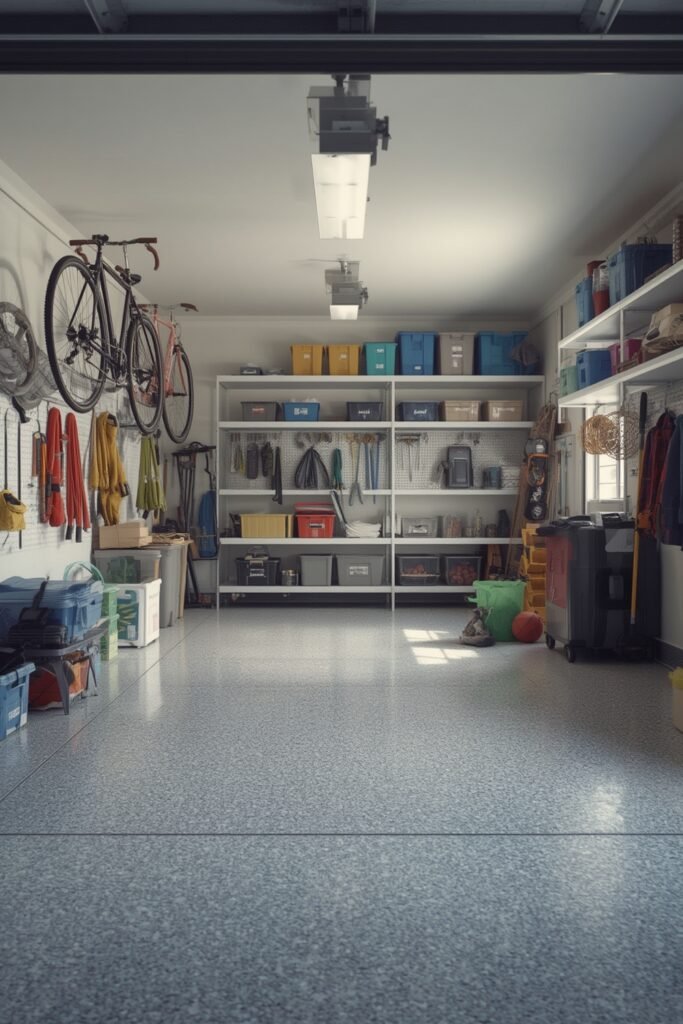
Real-world tool organization challenges and practical system fixes
The top complaints about garage chaos are universal—missing screwdrivers, tangled cords, and shifting boxes, especially as physical access becomes harder with age. With 9 in 10 homes unprepared for aging adults [source], most garages are starting from scratch. Here’s how to attack the common pain points with the right strategy:
- Lost or misplaced tools: Designate a pegboard installation zone with outlines for each tool. Add magnetic strips for metal hand tools next to workbenches.
- Tangled extension cords/hose chaos: Mount cord/cable organizers and use labeled bins for small electricals in lower garage cabinets.
- Heavy, rarely-used tools: Keep these in labeled, wheeled drawer units that park below stationary shelves—or in lowest wall-mounted racks for easy roll-out.
- Seasonal item overflow: Use overhead garage racks for bulky bins and rotate contents by season with clear labels facing the main garage entry.
A systematic approach—sort, assign “homes,” maximize vertical space—makes tool organization second-nature, just like the best kitchen storage solutions.
Comparing brands and materials: durability, installation ease, and warranty trade-offs
With so many options, simple checklists help you cut through the noise:
- Frame Material: Powder-coated steel resists rust and supports heavier loads than MDF or polymer—best for humid regions and heavy-duty use.
- Finish: Powder-coating outlasts painted or laminate finishes in scratch and moisture resistance.
- Installation: Modular garage cabinets often have pre-drilled mounting, making pro install faster; custom builds offer more layout flexibility but higher cost.
- Warranty: Read the fine print—“lifetime” rarely covers cosmetic issues and may be void if you move the cabinets or overload them.
Don’t shop based on insurance payback or resale “ROI”—current industry data doesn’t support this for accessibility upgrades. Instead, base your choice on expected longevity and how well the system fits your future needs. For a full accessible-design approach, see our tips on adding value with accessibility upgrades around the home.
Installation checklist—what to verify with your contractor or before DIY
Most households feel unprepared for home modifications (only 46% say they’re ready to take the next step [source]). Whether you’re hiring out or going DIY, use this clear checklist:
- Confirm wall studs/joists location and spacing (scan and mark before you drill)
- Ask for or verify rated load limits per shelf/rack
- Select appropriate mounting hardware—never use standard drywall anchors
- Lay out system with walkable routes min 36” wide (ADA-friendly)
- Check for garage door and overhead clearance conflicts
- See if permit/inspection needed for floor or electrical work
Post-Installation
- Visually inspect all fasteners and mounting brackets
- Test weight limits—load shelves/racks up incrementally
- Confirm all cabinets and doors open fully, with no blocked pathways
Don’t forget: take photos of the installed system and keep written warranty/spec sheets in your home files for future maintenance or repairs.
Warranty, maintenance, and long-term care to protect your investment
Your garage cabinets and organization systems need some regular TLC to last. Here’s what most manufacturers expect for warranty compliance:
- Register your system online or by mail within 30 days of install—some brands require this for any warranty claim.
- Quarterly inspections: Check and retighten all load-bearing fasteners and hinges.
- Wipe down steel/enamel surfaces to prevent moisture buildup, and inspect for scratches or paint chips that might cause rust.
- Document any repairs or part replacements—save receipts and take photos if you need to make a claim later.
- Keep your original installation manual, load ratings, and warranty paperwork together for quick access.
Since there are no universal “certified installer” requirements or technical specs, always document your system’s details in writing at the time of purchase and installation. For resilient, lifelong home investments, maintenance pays for itself by avoiding costly accidents or replacements.
Quick decision matrix and next steps (buying guidance + CTA)
Still on the fence? Use this matrix to clarify your next move:
| Need | Best System | DIY or Hire? | Notes |
|---|---|---|---|
| Maximize safety & aging-in-place | Wall-mounted garage storage + low cabinets | Hire | Ensure pro mounting & clear walk paths |
| Tool organization for hobbies | Pegboard installation + drawer cabinets | DIY or Hire | DIY if structurally simple |
| Maximize vertical or overhead storage | Overhead garage racks | Hire | Critical to anchor into ceiling joists |
Immediate action steps:
- Take measurements and photos of your garage
- Make a list of all tools, seasonal items, and recurring annoyances
- Prioritize which zones (tool, workbench, vehicle, overflow) bother you most
- Request quotes from at least 3 reputable installers, or compare retail modular systems for self-install
With 77% of adults over 50 wanting to age in place—and 92% wishing to remain in their homes as long as possible [source]—now is the time to invest in garage organization systems that support safety, freedom, and peace of mind well into the future. Ready to reclaim your space? Make safety your first priority and take the next step today!
FAQs
How much does it cost to professionally organize a two-car garage?
Expect $3,000–$7,500 for a robust system installed by a pro, including high-quality wall-mounted garage storage, garage cabinets, and overhead garage racks. DIY can reduce this to $1,000–$2,500 but may not meet long-term safety needs or include warranty coverage.
Are overhead garage racks safe for heavy storage?
Yes, if correctly anchored into ceiling joists and not overloaded. Always check the specified weight limit and never exceed the manufacturer’s maximum load.
What is the best organization system if planning to age in place?
Choose a mix of wall-mounted garage storage (installed between 36–48 inches high), wide clear pathways, and non-slip flooring. Avoid placing heavy items overhead, and ensure all shelves are securely anchored to studs.
Should I hire a professional installer or do it myself?
Hire a professional for ceiling-mounted or heavy-duty garage cabinets and racks, especially if unsure about your home’s framing or load needs. DIY is fine for pegboard installation or light shelving if you’re confident in your skills and tools.
Are garage organization systems covered by warranty?
Most brands offer a 1–10 year warranty. Always check what is covered, as most warranties exclude cosmetic scratches or green (non-professional) installation. Register your purchase and save paperwork for future claims.