
Curb appeal upgrades can instantly boost your home’s first impression and market value, while also preparing it for safer, easier access as you age. There are practical, affordable ways to make your home both more inviting to buyers and more comfortable for long-term living. This guide will show you the steps that deliver fast impact without blowing your budget or making your entryway look like a hospital.
Key Takeaways
- Combining curb appeal upgrades with aging-in-place features delivers higher resale value and longer, safer use for homeowners.
- Most projects—like painting, landscaping, lighting or mailbox upgrades—can be completed quickly and often for less than $2,000.
- Plan ahead by getting multiple contractor quotes, using checklists, and future-proofing with accessible design from the start.
- Why curb appeal should include aging-in-place thinking
- Quick high-impact curb-appeal wins (low cost, fast timeline)
- Front door replacement ideas—styles, energy & smart options, and decision checklist
- Costs, timelines and ROI expectations—setting realistic homeowner budgets
- Exterior paint colors for 2025—how to choose a modern palette that sells
- Landscape lighting—placement, technical considerations and safety standards by climate zone
- Mailbox and house number upgrades—style, materials, placement, and common pitfalls
- Accessibility upgrades that look intentional—design ideas that don’t read ‘medical’
- What most competitor articles miss (ROI, specs, curb appeal for aging-in-place)
- Practical checklist, contractor questions, and homeowner red flags
- Closing CTA—next steps and resources to cite
- FAQs
Why curb appeal should include aging-in-place thinking
Today’s curb appeal upgrades need to go beyond good looks. Forward-thinking homeowners combine traditional enhancements—like new paint or landscaping—with features such as zero-threshold entries, slip-resistant walkways, and brighter lighting. These changes make your home safer for everyone and more attractive to buyers, especially as the population ages.
According to a 2025 survey, 84% of older Americans prioritize aging in place, with 58% saying it’s extremely important.[source] However, only 46% feel prepared to update their homes with features like non-slip surfaces or barrier-free entries, even though 9 in 10 U.S. homes aren’t ready for aging adults.[source] Addressing this gap gives homeowners a real advantage—upgrades provide immediate ROI through resale value plus long-term livability, all with one investment.
Quick high-impact curb-appeal wins (low cost, fast timeline)
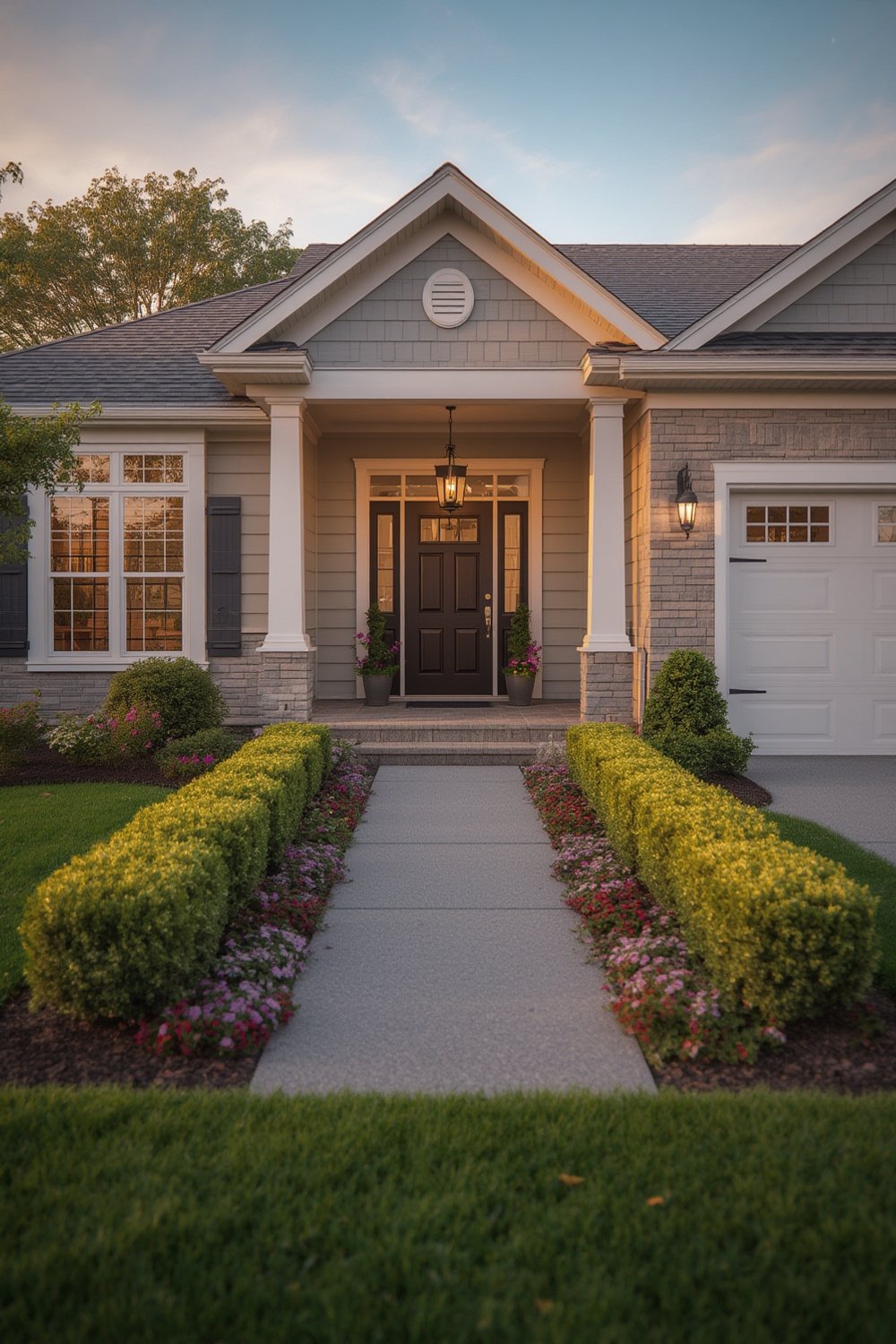
Start with projects that deliver curb appeal upgrades in a weekend or less, often for under $1,000. Focus your attention here:
- Front Door Refresh: Repaint or replace hardware for impact in hours.
- Exterior Paint Touch-ups: Fresh trim or accent color can make your façade pop.
- Simple Landscape Lighting: Install solar or low-voltage path lights for safety and style.
- Mailbox upgrade & House Numbers: Crisp modern numbers and a new Mailbox upgrade add visibility and polish.
- Tidy Landscaping: Edge, mulch, and clear paths for instant neatness.
Budgets for these curb appeal upgrades typically range from $80 (house numbers) to $1,100 (mid-range door). Most can be done DIY; painting and lighting may require a pro if electrical or high ladders are involved. When in doubt, get a quick quote.
Nearly half of older homeowners believe aging in place upgrades cost over $20,000, so starting with low-cost wins avoids sticker shock.[source]
Front door replacement ideas—styles, energy & smart options, and decision checklist
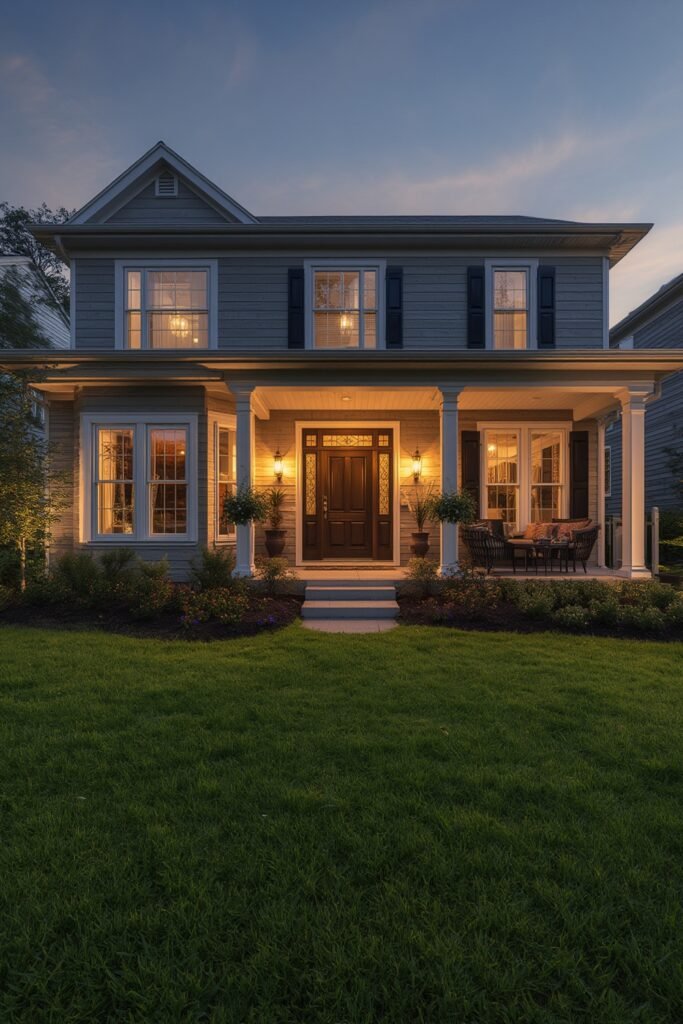
A new Front Door Replacement can yield one of the highest returns of all curb appeal upgrades—and it’s often on buyers’ home inspection checklists. Consider:
- Material Choices: Wood (classic, more maintenance), fiberglass (energy efficient, paintable), or steel (affordable, secure).
- Energy Efficiency: Look for insulated cores, weatherstripping, and low-e glass. Check R-values if energy savings matter.
- Smart Locks: Consider keypads or smart-entry systems for security and convenience.
- Custom Finishes: Paint or stain options let you match any modern palette (see paint trends below).
Most front door replacements can be completed in 1-3 days. When comparing quotes, ask:
- What’s included—does the price cover new trim, disposal of the old door, and finish paint/stain?
- Do hardware and smart locks cost extra?
- What is the warranty (parts and labor)?
Case Study Example:
- Before: 1980s steel door, peeling paint, no smart lock.
- After: Fiberglass entry (warm wood-grain finish), insulated core, motion-activated smart lock. Install cost: $1,600. Timeline: 2 days. House sold in 6 months—agent cited the updated entry as key to first impressions.
Only 46% of homeowners feel prepared to update to aging-in-place features—clarify timelines and get local, written quotes since no 2024 averages exist for door upgrades.[source]
ROI Worksheet: Front Door Replacement
Worksheet Example:
- Door Cost: $1,400
- Labor: $350
- Smart Lock: $220
- Total: $1,970
- Estimate sale value increase: $2,100–$4,000 (local comps)
- Potential ROI: 107%–203%
Document with photos, receipts, and add to listing remarks.
Costs, timelines and ROI expectations—setting realistic homeowner budgets
It’s essential to budget for curb appeal upgrades with realistic cost and ROI ranges. Here’s a breakdown of common improvement costs, completion timelines, and what can influence your investment’s return:
| Project | Low Range (DIY) | Pro Installed | Typical Timeline | Factors Impacting ROI |
|---|---|---|---|---|
| Front Door Replacement | $350–$700 | $1,200–$2,900 | 1–3 days | Material, local sale comps, finish level |
| Exterior Paint (whole house) | $700 (partial touch up) | $2,800–$6,000 | 2–7 days | Color, paint quality, trim contrast |
| Mailbox/House Number Swap | $80–$200 | $250–$450 | 1–4 hours | Material, visibility, design |
| Landscape Lighting | $100–$800 (solar/low voltage) | $1,000–$2,000 | 2–12 hours | Fixture quality, climate resilience |
Remember, nearly half of older homeowners expect to spend over $20,000 to fully age-proof their homes, but most curb appeal upgrades can be done for a fraction of that—maximizing ROI by focusing on visible, high-impact changes.[source] Because no 2024 data on precise ROI or insurance savings was found, document your improvements with receipts and “before/after” photos to prove value at sale time.
For more on budgeting home improvement projects, visit energy-efficient home upgrades.
Exterior paint colors for 2025—how to choose a modern palette that sells
Though no specific 2025 statistics on paint color choices were identified in industry research, paint brands report that homeowners are selecting warm, inviting neutrals (think oatmeal, taupe, soft sage) paired with nature-inspired doors and crisp white or charcoal trim.[source]
- Main body: Go for a warm-toned neutral (improves perceived value and appeal for buyers).
- Accent color: Greens, deep blues, or muted reds add subtle interest when used for front doors or shutters.
- Trim: Keep high-contrast and fresh—true white or soft black both work with most palettes.
Always sample paint on your actual exterior before painting the whole house. For up-to-date trend reports, consult your preferred brand (Sherwin-Williams, Benjamin Moore) or local color consultants, and see our detailed biophilic design home guide for color inspiration.
Buyer tip: Bold but tasteful color contrast increases curbside appeal, especially paired with fresh landscaping and a modern mailbox. Since no authoritative color stats exist for 2025, keep color selections neutral for saleability, but don’t be afraid to add a colorful front door for personality.
Landscape lighting—placement, technical considerations and safety standards by climate zone
Proper landscape lighting reduces fall risks, helps buyers arrive safely at open houses, and spotlights your curb appeal upgrades. According to injury data, falls are the leading cause of injury among adults over 65—good lighting and grab bars can cut this risk by 38%.[source]
- Best placements: Edge both sides of walkways, steps, and the main entrance. Use motion sensors for savings.
- Fixture advice: LED or low-voltage preferred for cost and longevity. Choose waterproof, rust-proof models.
- Climate: In freeze-thaw regions, stake fixtures 6” into the ground. Use wire rated for direct burial. In coastal areas, opt for marine-grade or powder-coated finishes.
- Electrical: For 120V installs or if adding a transformer, always hire a licensed electrician.
Lighting not only boosts safety and curb appeal but extends usable entry hours, making your home feel larger and more welcoming. For more expert landscape lighting advice, explore outdoor living space upgrades.
Mailbox and house number upgrades—style, materials, placement, and common pitfalls
Mailbox upgrades and modern house number ideas are among the simplest ways to instantly improve curb appeal. Use materials like powder-coated steel, brushed aluminum, or solid wood for lasting value—match or complement other exterior finishes for a cohesive look.
- Visibility matters: Numbers must be easily readable from the street (use at least 4-inch-high numerals). Place your mailbox at postal code-required heights (typically 41–45 inches from the road surface).
- First responder rules: Some municipalities require reflective or contrasting numbers for safety. Check local codes or ADA recommendations.
- Common pitfalls: Failing to anchor posts deeply enough, skipping weather sealing, or undersizing numbers for the home facade. Inspect reviews for real-world regrets and seek advice on our low-maintenance landscaping page.
No systematic complaint data was found in research reports—always consult forums and buyer feedback before selecting mailbox or house number products.[source]
Accessibility upgrades that look intentional—design ideas that don’t read ‘medical’
Modern curb appeal upgrades can include accessible features that blend in, so your home looks inviting—not institutional.
- Ramps: Use stained wood or brushed concrete with sleek railings instead of metal ramps. Incorporate landscaping for softer edges.
- Wider doorways & lever handles: Install 36″ entry doors with modern lever-style handles; match finish to your lighting or house numbers.
- Slip-resistant surfaces: Use textured pavers or coated concrete at all entries—many finishes look indistinguishable from standard hardscapes.
- Case study: A homeowner replaced their steps with a sloping walkway using interlocking pavers and sunflower borders; local buyers never noticed the design was built for future wheelchair access.
Interestingly, 85% of seniors who hope to stay in place don’t believe they’ll need major changes—despite 9 in 10 U.S. homes being unprepared for aging.[source] That’s an opportunity: attractive, accessible curb improvements can increase both comfort and value.
What most competitor articles miss (ROI, specs, curb appeal for aging-in-place)
Many “best curb appeal upgrades” guides skip a few critical areas:
- Measurable ROI and Cost Ranges for Front Doors:
- Most miss regional price differences. Always get at least 3 local quotes and research comparable sales (see our ROI worksheet above).
- Document upgrades with receipts, finish details, and before/after photos for agent or appraiser use.
- Technical Lighting Specs by Climate:
- Always select fixtures for your weather zone—marine grade for salt air, frost-proof in cold regions, direct burial wire for wet areas. Ask contractors for lighting with the proper IP rating (weather resistance).
- Curb Solutions That Improve Saleability:
- Features like wide walkways, smart locks, and visible numbers quietly raise your MLS photos’ appeal—without telegraphing disability modifications.
- Document upgrades on your MLS listing and inspector checklist: what was added, why, and the safety or energy benefits.
No detailed competitor gap data was found in the research, so be sure to fill in the gaps with your own market analysis—especially for ROI and local preferences.[source]
Documentation Template (for MLS/Inspections)
- Upgrade Type: (e.g., Smart LED pathway lights)
- Date Installed:
- Brand/Model:
- Reason: (e.g., Improved night access, 38% reduced fall risk)
- Photos: (Attach or link)
Practical checklist, contractor questions, and homeowner red flags
Upgrading for curb appeal and accessibility is easier with a plan. Here’s your practical checklist for getting quotes and avoiding regrets:
- Request details on materials (waterproofing, weather rating, anti-rust coatings).
- Ask for warranties (years on materials and labor).
- Verify whether permits are required (especially for electric or entry modifications).
- Confirm products meet local or ADA guidelines for ramps, mailbox, numbers, etc.
Question to ask all installers:
- Is the quoted price all-inclusive?
- Do you have insurance and references?
- For lighting: Are fixtures certified for my climate/zone?
- Is there a workmanship warranty?
Common red flags: Vague estimates, refusal to show insurance, “surprise” upcharges, or lack of written timeline.
Upgrade Timeline Template
- 30 days: Plan, research, get quotes, tackle small DIY (numbers, mailbox).
- 60 days: Complete main upgrade (door, paint, lighting with pro help if needed).
- 90 days: Final touches, document improvements, prep listing for resale if selling.
With only 46% of respondents feeling prepared to update for aging in place, approach each step with clarity and documentation.
Closing CTA—next steps and resources to cite
Ready to take the next step? Walk your curb today with a checklist and note easy upgrades. Schedule a professional assessment—many pros will bundle door, mailbox, and lighting quotes for efficiency. Explore current outdoor living space upgrades, check out local paint brand trend reports for exterior paint colors 2025, and review code requirements for new landscape lighting installations.
Always get at least three written estimates before committing, especially as nearly half of older homeowners estimate these upgrades will exceed $20,000.[source] For further reading and practical project guides, visit our resources on aging in place modifications and bathroom accessibility features.
FAQs
What are the most affordable curb appeal upgrades with the biggest impact?
Repainting your front door, adding solar path lights, upgrading your mailbox, and installing modern house numbers all deliver major curbside impact for relatively low investment—often under $1,500 combined when done DIY.
Can I combine accessibility features with curb appeal upgrades without making my home look “medical”?
Yes. Use attractive materials for ramps, choose modern lever handles, and add slip-resistant walkway surfaces that blend seamlessly with standard landscaping. Intentional design can make accessibility invisible to buyers while still providing safety.
How do I know if landscape lighting meets code or is safe for my region?
Check local building codes for fixture requirements and installation practices. For cold/wet climates, choose waterproof, frost-proof fixtures and wire rated for direct burial. When in doubt, hire a licensed electrician and ask for an installation warranty.
Do these curb appeal upgrades actually add resale value?
Yes. Curb appeal is a top factor for buyers. Upgrades like a new front door, fresh paint, modern lighting, and clear house numbers boost perceived value and make homes safer and more attractive for a broad range of purchasers.
What should I ask a contractor before starting a curb appeal project?
Ask if the estimate includes all materials and labor, what the warranty covers, if permits are needed, and which products meet ADA or municipal rules. Always request proof of insurance and check reviews.