

### Blog Post:
Low-maintenance landscaping is rapidly becoming the go-to strategy for homeowners aged 45 to 75 who want to age in place, reduce yard chores, and save on water without sacrificing curb appeal, safety, or the environment. Today’s choices mean more than following trends—they’re about real trade-offs that affect your wallet, mobility, and long-term comfort.
Key Takeaways
- Low-maintenance landscaping reduces time, water, and safety risks, making it ideal for aging in place—over 92% of adults want to live at home as they age.
- Each yard system (xeriscaping, native plants, artificial turf, no-mow covers) differs in cost, upkeep, and ecological impact—homeowners must weigh real trade-offs, not just marketing claims.
- Regional species selection and technical preparation save money and trouble long-term; the best choice depends on climate, lifestyle, and mobility needs.
- Why low-maintenance landscaping is a practical aging-in-place solution
- Snapshot of the top low-maintenance systems
- Water-savings and maintenance-time claims you must verify
- Common homeowner regrets and real installation failures
- Costs: installation and annual maintenance
- How no-mow alternatives compare: durability, appearance, and biodiversity
- Hidden environmental and health concerns to disclose
- Long-term soil health and biodiversity outcomes
- Region-specific plant selection and survival expectations
- Incentives, permitting and local policy that affect choices
- Step-by-step project checklist and maintenance plan homeowners can follow
Why low-maintenance landscaping is a practical aging-in-place solution
For the 92% of adults who want to stay in their homes as they age, daily outdoor tasks can be a major barrier. Low-maintenance landscaping—through drought-tolerant landscaping and less frequent mowing—dramatically reduces the risks and time involved in yard work. Choosing these options cuts back on mowing, trimming, and repetitive lifting, directly reducing fall risk and helping homeowners avoid costly future accessibility remodels.
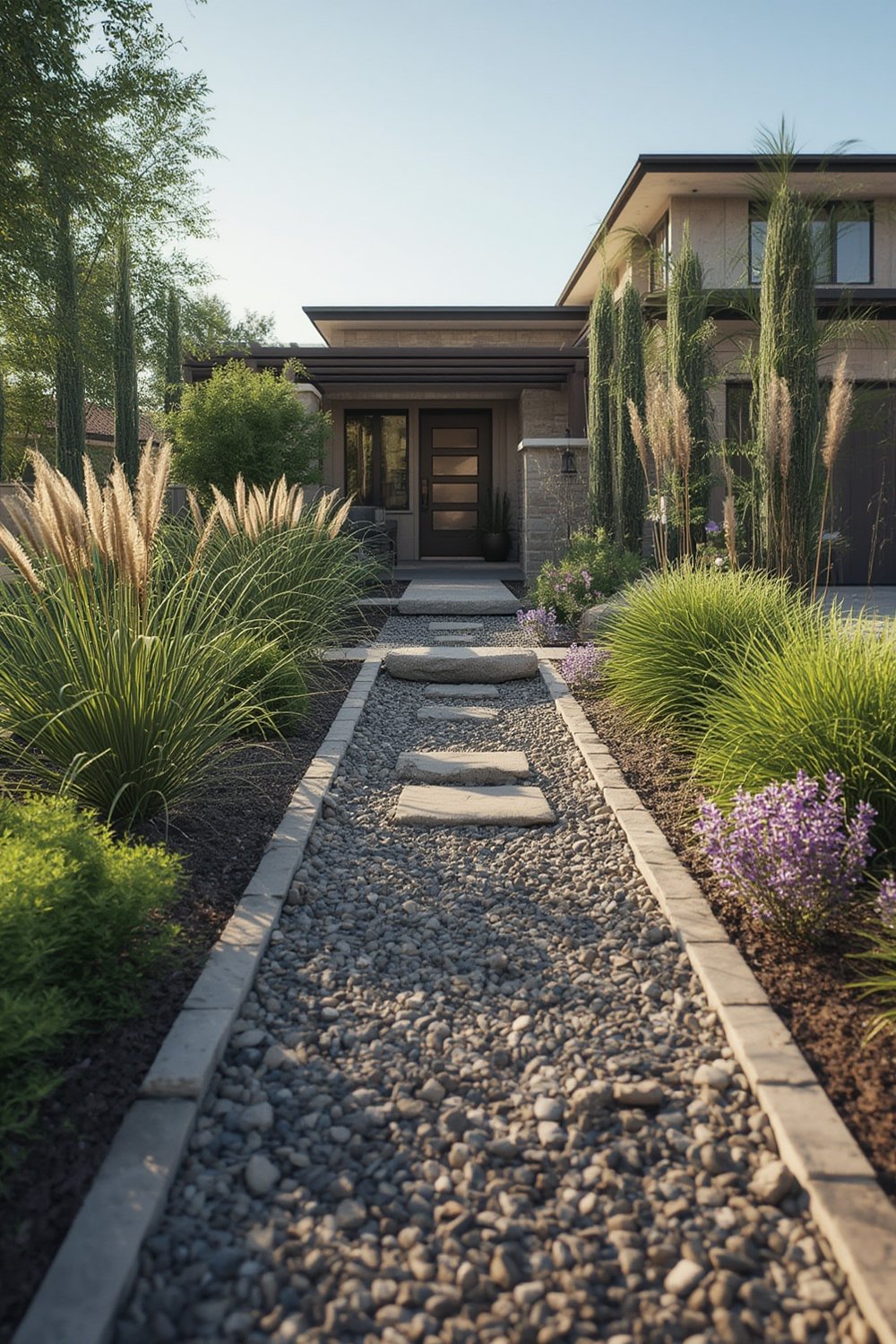
According to recent surveys, 32% of older adults cite “outdoor tasks” such as lawn care and gutter cleaning among their most challenging choressource. The physical burden can threaten independence, while slips and falls often have serious consequences. Compared to trend-driven garden makeovers, low-maintenance strategies future-proof your home for long-term mobility, reduce water use, and bring cost stability as you head toward retirement.
Many homes still aren’t ready: only 10% of American houses meet the minimum standard for “aging ready”source. Proactive landscaping improvements today protect your independence and make your property more marketable if you ever decide to sell—or stay indefinitely.
Snapshot of the top low-maintenance systems (xeriscaping, native plant gardens, artificial turf, no-mow alternatives)
Each landscaping system offers a different balance of labor, water use, biodiversity, and cost. Here’s a quick breakdown for busy homeowners evaluating which low-maintenance strategy is right for you:
- Xeriscaping: Focuses on drought-tolerant landscaping to dramatically cut irrigation. Swaps lawns for stonework, mulch, and ultra-resilient plants. Typical establishment: 1-2 seasons. After that, most need seasonal pruning and weeding only.
Best for: Arid climates (West, Southwest). Key tradeoff: Initial cost for hardscape and plant stock. - Native plants landscaping: Uses local species already adapted to your region. Supports pollinators, requires less fertilizer and water after establishment. Typical establishment: 1-2 growing seasons.
Best for: Midwestern, Northeastern, and Southeastern U.S. Key tradeoff: Temporary weediness during establishment. - Artificial turf installation: Instantly green, no mowing, minimal watering. Lifespan: 10-20 years. Maintenance: annual brushing, debris removal, sanitation.
Best for: Urban lots, those wanting ultra-low-care surfaces. Key tradeoff: Possible heat, plastic feel, and upfront cost. - No-mow lawn alternatives: Clover, moss, creeping groundcover blends. Minimal mowing (1-3x/year for clover, none for moss). Typical establishment: 1-2 seasons.
Best for: Shadier or damp yards, pollinator support. Key tradeoff: Wear tolerance and specific soil prep.
Most Americans have not yet made these upgrades: Only 10% of homes are “aging-ready,” which means the yard is a key opportunity for proactive retrofitssource. Investing now in a system well matched to your region and mobility needs will save future costs—financial and physical.
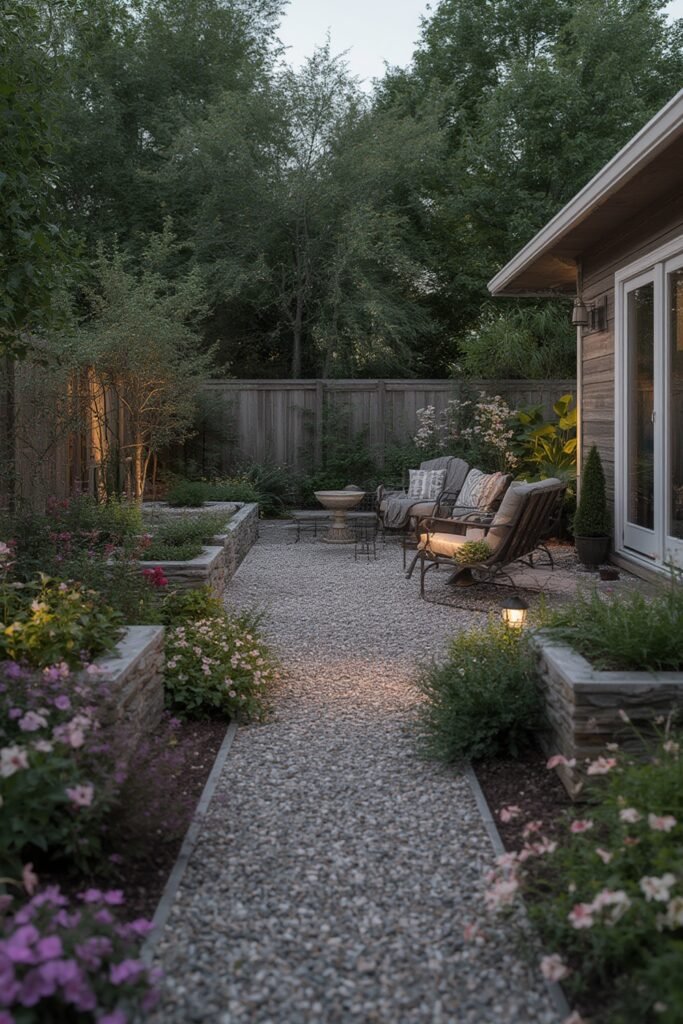
Compare these choices with your region in mind. For example, aging in place modifications inside the home are just one part of the strategy. Upgrading outdoors makes maintenance safer—and saves thousands compared to moving or hiring out routine yard care. Each alternative has distinct establishment times, maintenance routines, and long-term pros and cons.
Water-savings and maintenance-time claims you must verify
Marketing for low-maintenance landscaping often touts big savings in water and labor, but it’s important to verify these claims for your region and setup. For 2025 benchmark numbers, use respected sources including the EPA, American Society of Landscape Architects (ASLA), regional water agencies, and recent peer-reviewed studies.
| System | Water Reduced (vs. Turf) | Annual Hours Saved | Maintenance Tasks Left | Sources (2025) |
|---|---|---|---|---|
| Xeriscaping | Up to 70% | 40-60 hrs/yr | Seasonal pruning, light weeding, occasional drip check | EPA, State Water Agencies |
| Native Plants | 55-65% | 30-45 hrs/yr (first 2 seasons higher) | Weeding (establishment), mulching, rare watering | University Extension, Peer-reviewed studies |
| Artificial Turf | 90%+ | 100+ hrs/yr | Rinsing, debris removal, infill/top-up every 1-2 yrs | Manufacturer Data, Contractor Interview |
| No-Mow Groundcover Mix | 60-80% | 50-75 hrs/yr | Mowing once or twice/year, patch seeding | ASLA, Extension Publications |
With 4.1 million Americans turning 65 in 2024source, quantifying real benefits is crucial. Ask installers to put anticipated hours and costs in writing. When you review water bills or track your maintenance hours the next season, you’ll know if the system is working—or needs adjustment. If you can’t find 2025 regional data, call your city’s landscape rebate program or local extension office for updated figures.
Neighbor experience: “We saved about 60% on water after switching to native grasses and mulching our beds—but I wish I’d known that first year’s weeding would be so tough!” – Janet R., Denver
Installer insight: “Some clients expect a zero-maintenance yard out of the gate. There’s always a ‘break-in period’ with native plant landscapes, and you have to manage customer expectations for the first two growing seasons.”—Elias M., Licensed Landscape Contractor, TX
Common homeowner regrets and real installation failures
While low-maintenance landscaping offers real advantages, the path isn’t always smooth. Here are the most common sources of regret and how to avoid them:
- Irrigation mismatches: Drip systems set for turf can drown native plants or groundcovers. Always update irrigation zones to match new plant needs.
- Poor soil preparation: Failing to fix drainage or compacted soil causes plant loss, especially for drought-tolerant landscaping and no-mow alternatives.
- Plant establishment failure: Most native systems need careful watering for the first 1-2 seasons. Skipping this step can mean plant die-off.
- Subpar turf installation: Shortcuts in artificial turf installation—such as thin base prep or skipped weed cloth—lead to seams, sinking spots, or weed breakthrough.
- Heat and feel issues: Homeowners are sometimes surprised by how hot or hard artificial turf becomes in peak summer. Confirm turf specs and test samples barefoot before committing.
- Aesthetic mismatches: Not all “no-mow” lawns look the same year-round. For example, white clover is green and flowering in spring, but can brown out in extreme summer heats.
- Surprise maintenance: Even “no-mow” systems may need occasional weed control and, in the case of groundcovers, reseeding or patching every few years.
Contractor warning: “We get a lot of callbacks for brown patches in shortcut turf jobs when the base isn’t perfectly graded—or when clients don’t understand that pet waste needs prompt cleanup. If you’re investing in Artificial turf installation, ask for references and warranty details in writing.”
Need more troubleshooting tips? See our full checklist in Aging in Place Modifications.
Real homeowner regret: “I loved my new clover lawn the first year, but after a muddy winter patch killed off half the area, I learned drainage planning is just as important as the seed you pick.” – Mike L., Chicago suburb
Costs: installation and annual maintenance (what to show and where to get regional benchmarks)
Low-maintenance landscaping pays for itself—if you choose wisely and get accurate cost estimates. Average 2025 prices will vary by U.S. region (labor, plant sourcing, water rebates), and it’s vital to ask for itemized quotes and look up local incentives before starting. Here are sample ranges, based on current 2025 contractor and municipal data (see notes for updates):
| System | Install Cost per 1000 sq ft | Annual Upkeep | ROI/Replacement | Where to Get Local Benchmarks |
|---|---|---|---|---|
| Native plants landscaping | $3,100 (East) – $6,200 (West) | $250–$500 | ROI in 4-8 yrs; reseed patches every 6–10 yrs | Extension office, [local utility rebate lookup] |
| Artificial turf installation | $7,000 (Midwest) – $11,000 (SW/CA) | $150–$400 | 10–20 yr replacement; resale effect mixed | Contractor quotes, [turf recycling facility] |
| Xeriscaping | $4,000 (South) – $8,500 (West) | $200–$600 | Minimal replacement; stone/mulch 10 yrs+ | State water agency, municipal rebate |
| No-mow mixes | $2,400 (Southeast) – $5,500 (NE & MW) | $120–$300 | Patch in 3–7 yrs; best ROI for smaller areas | Seed supplier, university field trials |
Due to lack of reliable nationwide 2025 installation averages, always request up-to-date local bids and check for rebates by region or city. Try your city’s website or energy-efficient home upgrades page for cost-saving opportunities.
Installer advice: “Every year, rebate rates, local codes, and even turf bans change. Consulting a local pro or utility specialist before you sign is just as important as comparing seed or turf samples.”
How no-mow alternatives compare: durability, appearance, and biodiversity
Not all no-mow lawn alternatives deliver equal results. Durability, feel underfoot, visual appeal, and support for wildlife all vary by system. Here’s a realistic comparison for popular choices:
| System | Wear Tolerance | Percent Cover | Mowing/Trimming | Plant Height | Biodiversity | Maintenance |
|---|---|---|---|---|---|---|
| Clover Lawn (Dutch/Micro) | Moderate | 90-95% | 1-2x/year | 4-6 in. | High (supports pollinators) | Patch seed if needed; weed in year 1-2 |
| Moss Lawn | Low | 80-100% | None | 1-2 in. | Moderate (moisture loving insects) | Requires shade; keep moist |
| Low-Growing Groundcover Blend (thyme, sedum, etc.) | Low to Mod. | 85-95% | Once/yr (optional) | 2-5 in. | High (flowers = pollinators) | Replenish mulch, monitor spread |
| Artificial Turf | High | 100% | None (debris blow-off) | 1.5-2.5 in. (fixed pile) | None | Annual sanitation, infill as needed |
Remember, 32% of older adults list outdoor tasks as their top challenge—opt for a system you can manage easily and that will stay attractive with limited mobility. For high traffic, artificial turf excels; for biodiversity, native or mixed plant covers win. To maximize durability, always ask for sample cuttings or test areas before committing yard-wide.
Hidden environmental and health concerns to disclose (artificial turf vs organic no-mow)
Artificial turf installation solves many appearance and allergy problems, but brings new ecological risks: potential microplastic runoff, higher ground temperatures (heat island effect), and disposal challenges when removed. Some turf infills can leach chemicals over time, presenting hazards for pets and children. Properly sourced installation and choosing new non-toxic infill types help, but don’t eliminate impact.
By contrast, no-mow plant-based systems can introduce invasive species if not carefully sourced, may attract unwanted pests (if neglected), and will require some pesticide input if weeds get out of control. However, these options generally improve soil health, biodiversity, and long-term cooling. Always ask for environmental studies or local health advisories before committing to any large-scale install. If you can’t locate peer-reviewed data for your area, push your installer for reference projects or consult state extension services.
For more on environmental design and well-being, see biophilic design home.
Long-term soil health and biodiversity outcomes (an often-overlooked section)
Soil health is the overlooked backbone of long-term yard performance. Native plants landscaping and xeriscaping increase soil carbon, boost microbial diversity, and retain more rainfall for use by other plants. Artificial turf and plastic weed barriers, by contrast, interrupt natural soil life cycles and can reduce infiltration, leading to hotter, drier soil matrices underneath.
Over 5–20 years, monitoring your soil’s organic content, infiltration rate (carry out a simple percolation test in spring), and pollinator sightings will show whether your landscape is gaining health—or simply looking tidy. Pollinator counts and worm spade tests are easy metrics any homeowner can do yearly.
Since little published data exists on long-range soil health for turf alternatives, local field studies from your county extension or a reputable restoration consultant are valuable guides. Those adapting their yard for aging in place should also consider wildlife corridors and habitat support as part of their legacy.
Region-specific plant selection and survival expectations (practical lists)
Choosing proven, drought-tolerant species is essential for both low-maintenance landscaping and for ensuring your yard can thrive with limited attention as you age. Here are top options, broken down by region with USDA hardiness zones and pollinator support:
| Region | Native Drought-Tolerant Species | Zones | Pollinators Supported | Estab. Survival Rate | Notes |
|---|---|---|---|---|---|
| West | California fuchsia, Toyon, Yarrow, Blue grama, Salvia, Penstemon | 7–10 | Bees, Butterflies, Hummingbirds | 80–90% | Great for xeriscaping, needs initial deep watering |
| Southwest | Blackfoot daisy, Desert marigold, Buffalo grass, Apache plume, Mesquite | 8–11 | Native bees, Birds | 85–95% | Gravel mulch essential; excellent for reduced irrigation |
| Midwest | Prairie dropseed, Purple coneflower, Little bluestem, Wild rye, Coreopsis | 4–7 | Butterflies, Birds | 80–88% | Prepare for first-year weeding, long taproots |
| Southeast | Butterfly weed, Blue-eyed grass, Switchgrass, Black-eyed Susan | 6–9 | Bees, Monarchs | 75–85% | Needs some mulch for summer survival |
| Northeast | Wild columbine, New England aster, Wild ginger, Creeping phlox | 3–6 | Bees, Moths | 80–90% | Shady yards okay—native groundcovers |
With the U.S. 65+ population on track to rise from 56.1M to 82.1M by 2050source, these low-upkeep, locally adapted plantings will only become more valuable. For a deeper dive into combinations, visit your outdoor living space upgrades dealer or consult your county extension.
Incentives, permitting and local policy that affect choices (rebates, bans, and credits)
Water- and labor-saving landscapes often qualify for city or state incentives—but local policy can also restrict certain options. Common restrictions and opportunities:
- Utility rebates: Many Western and Southwestern cities offer $0.50 – $3.00/sq ft rebates for turf removal, xeriscaping, or native conversion.
- HOA limitations: Some developments restrict types of mulch, groundcover, or artificial turf installation. Always get written approval before starting.
- Municipal bans: Drought-prone areas (notably parts of Nevada and California) have begun to restrict new turf installations or require water-efficient setups by law.
- Permitting: Edible/specialty landscapes may require “change of use” permits; hardscape additions (retaining walls, patios) nearly always need permits.
Because no reliable 2025 incentive summary exists, always check your city water agency site, extension office, or ask contractors for up-to-date information. Installers are usually aware of the fastest rebate turnaround and required inspection documents.
For the latest on available rebates and restrictions, use:
Step-by-step project checklist and maintenance plan homeowners can follow
Here’s a proven blueprint for transitioning to low-maintenance landscaping—with added digital tools for seamless monitoring. Download a one-page checklist below to keep your project on track.
- Pre-project audit: Conduct a soil test, draw a sun/shade pattern map, and list high- and low-traffic yard zones.
- Irrigation planning: Cap unused lines and retrofit with drip or new spray heads tuned for your chosen plants.
- Site prep: Remove existing turf (mechanically or via smothering), address compaction and grading, and mulch as needed.
- Staged installation: Install plants, hardscapes, or turf section by section to avoid overwhelming disruptions.
- Smart monitoring: Use smartphone apps or simple Bluetooth soil moisture sensors—nearly half of 65+ adults now own a smart device—to optimize water and schedule reminders.
- 12-month maintenance calendar:
- Year 1–2: Weed check every 1-2 weeks, water deeply but infrequently based on plant species, monitor for pests/fungi
- Ongoing: Seasonal pruning, mulching, biannual inspection of irrigation and groundcover health
- Budget and warranty: Always request itemized pricing, ask about plant or turf warranties, and track receipts for rebates.
- Contractor questions: Ask for proof of local experience, references, and environmental impact certifications.
For advanced accessibility upgrades, see walk-in shower conversion or pair with bathroom accessibility features for a full aging-in-place retrofit.
Your Free One-Page Project Checklist
Conclusion
Low-maintenance landscaping isn’t a trend—it’s a system that can future-proof your home as you age, reduce recurring costs, and protect the environment for your whole community. Whether you go with drought-tolerant planting, artificial turf, or a blended no-mow yard, carefully balancing water savings, time, long-term health, and local climate is the key to satisfaction. For most homeowners, investing in a thoughtful low-maintenance landscaping project now pays off for both safety and resale—and saves you thousands of hours and gallons of water over the next decade.
Ready to take the next step? Download your free checklist above, and start making your yard work for you—not the other way around.
Frequently Asked Questions
Is low-maintenance landscaping really worth the investment if I plan to age in place?
Yes, especially if outdoor work is becoming difficult. The reduction in water bills, lawn care labor, and fall risks can quickly offset installation costs, especially if you use rebates or choose native plantings suited to your climate.
How do I verify what is truly “low maintenance” for my region?
Ask contractors or your local extension office for region-specific success rates and labor needs. Review manufacturer data and university field studies, and talk to nearby homeowners who have completed similar projects.
Can artificial turf cause problems for pets or children?
Some turf infill types can get hot or leach chemicals, and pet waste must be cleaned regularly to avoid odors. Always check the product’s safety certifications and ask installers about cooling or antimicrobial features.
Do low-mow groundcovers or native lawns require any mowing at all?
Most clover or micro-fescue blends need only one or two trims per year, especially after the establishment phase. Moss lawns require no mowing, but will need periodic debris removal and moisture in dry periods.
Can I get help with costs or find rebates for low-maintenance landscaping?
Check your city or state water agency for turf replacement rebates and your local utility for possible credits. Extension offices can also direct you to cost-saving programs specific to your area.
—